Europe is built for trains - and that is good news for bungee travelers who would rather not rent a car for a single freefall. Several of the continent’s most famous jumps sit on the edges of rail corridors, with PostBuses, gondolas, and short walks covering the last kilometre. You still need weather windows and medical honesty. You do not always need a parking space.
The poster child is Switzerland’s Verzasca Dam (Contra Dam) near Locarno in Ticino: a roughly 220-metre jump made globally famous by the opening of the James Bond film GoldenEye.[1] It is widely described as Europe’s highest commercial-style dam jump and remains a bucket-list freefall for cinema fans and pure height chasers. Access is more practical than the movie suggests. Travel writers and local guides note rail approaches via the Locarno/Tenero area with Swiss PostAuto bus connections toward the dam itself - a classic “train plus bus” last mile.[2]
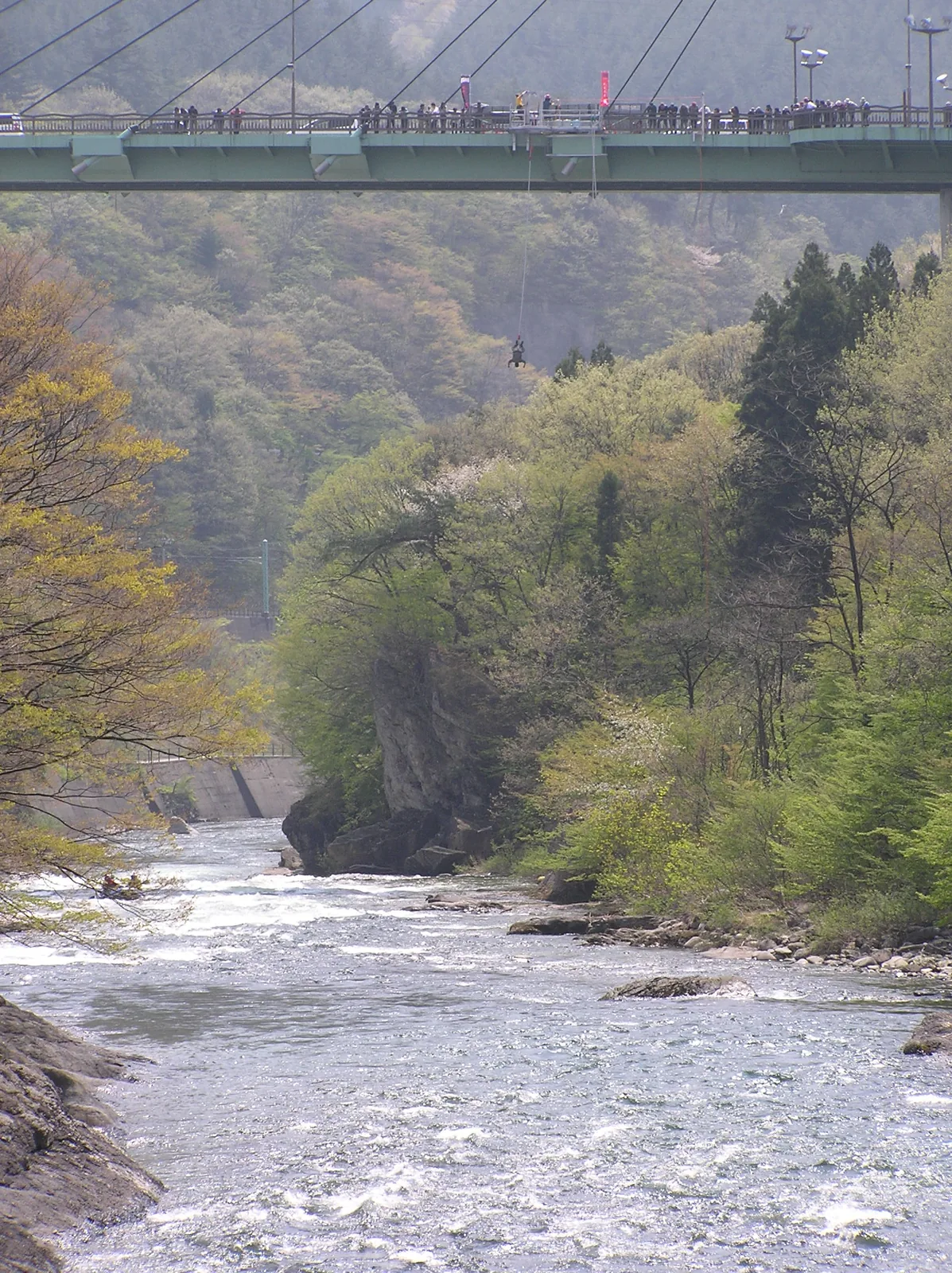
Elsewhere in Switzerland, platforms near Interlaken and the Bernese Oberland lean on the same rail culture. Guides highlight Stockhorn-area options with train access from Spiez and gondola links - the sort of multimodal hop that Swiss Travel Pass holders already understand.[3] The pattern matters more than any single brand name: Alpine resorts already move skiers by train; bungee operators simply plug into that skeleton. Book the jump for a weather-flexible day, sleep in a rail hub, and treat the approach as part of the adventure rather than a logistics tax.
Western and Central Europe also host bridge and crane products that sit inside city-day-trip range. Availability shifts with permits, seasons, and insurance climates, so the responsible way to plan is to verify the current operator page the week you travel - not a five-year-old listicle. What remains stable is the method: identify the nearest intercity station, check local bus or tram schedules to the bridgehead, and confirm meeting-point walking time with a backpack. European operators are often strict about weight bands, pregnancy exclusions, and alcohol rules; Verzasca-area safety pages, for example, exclude pregnant jumpers and anyone under the influence of alcohol or drugs, with published weight windows.[4]
A train-first itinerary changes the psychology of the day. You are not white-knuckling mountain roads before a freefall; you are watching valleys slide past a window, then stepping into a briefing room with your heart already half-calibrated. Pack layers - dam decks and Alpine platforms are windy even in summer - and waterproof protection for phones you will not take on the cord. Arrive early. Missed connections are the European version of a no-show fee.
Sample skeleton for a first-timer: overnight in Locarno or a lakeside town, morning bus to Verzasca if you are cleared to jump, afternoon recovery on the lake promenade. Or base in Interlaken, use the Bern - Spiez rail spine, and day-trip a seasonal platform. Add a lower bridge jump later if you want a second data point without another long-haul flight. The point of train-accessible bungee is not to collect the most metres in a weekend; it is to fold freefall into a low-stress European trip where the journey is as intentional as the leap.
Europe will keep licensing, pausing, and relocating jumps as bridges and dams renegotiate risk. What will not change is the continent’s gift to non-drivers: dense public transport that can put you at the edge of a void with a ticket, a timetable, and a little courage left over for the countdown.
Season timing shapes the European rail plan as much as the timetable. Many Alpine and dam operations cluster in spring through autumn; shoulder months can mean fewer queues and softer light, but also more weather holds. Build one buffer day into any itinerary that depends on a single freefall. If your only free morning is the same morning as a storm front, you will learn an expensive lesson about flexibility. Travel light on jump day: a small pack with layers, water, and a dry shirt beats a rolling suitcase on a PostBus aisle.
Language on the deck is usually a mix of local tongue and safety English. Learn the numbers for the countdown in the operator’s language if you can; it keeps your brain occupied with something concrete. Confirm meeting-point coordinates the night before, screenshot the map, and note the last return transport. A perfect jump followed by a missed last bus is a very European form of adventure regret. If you are chaining multiple countries by train, place the hardest jump earlier in the trip while energy is high, and keep a lower or alternative activity as a consolation prize if wind wins.
Finally, treat European freefall as part of a wider travel ethic. Support operators who pay fair wages in expensive Alpine economies, pack out your rubbish from dam overlooks, and do not trespass for a better photo. The privilege of train-accessible thrills depends on communities still wanting jumpers around. Be the guest who makes that easy. With a little timetable humility and a lot of respect for local rules, Europe will keep offering freefall without forcing you into a rental car you did not want.
Sources
- Manawa - Verzasca Dam 220m Bungee (2026)
- Hunting Bond - Verzasca Dam access notes (2022)
- Tour Switzerland - Bungee Jumping guide (2026)
- 007 Bungy - Safety and prerequisites (2025)
Image credits
- Photo: SKas / Wikimedia Commons (CC BY-SA 4.0)
- Photo: fum3670045 / Wikimedia Commons (CC BY 3.0)