Some of the best family adventure days have a clear split: adults who want the cord, and kids, grandparents, or partners who want the story without the freefall. That split only feels fair when spectator logistics, wait times, and post-jump plans are designed as carefully as the jump itself.[1][2]
Start with operator rules. Age minimums, viewing areas, stroller reality, and whether non-jumpers can be near the deck vary by site. Read official FAQs instead of assuming a bridge will work like a stadium with perfect sightlines.[1] Choose products with accessible cafes or viewing platforms when small children or mobility-limited elders are present.
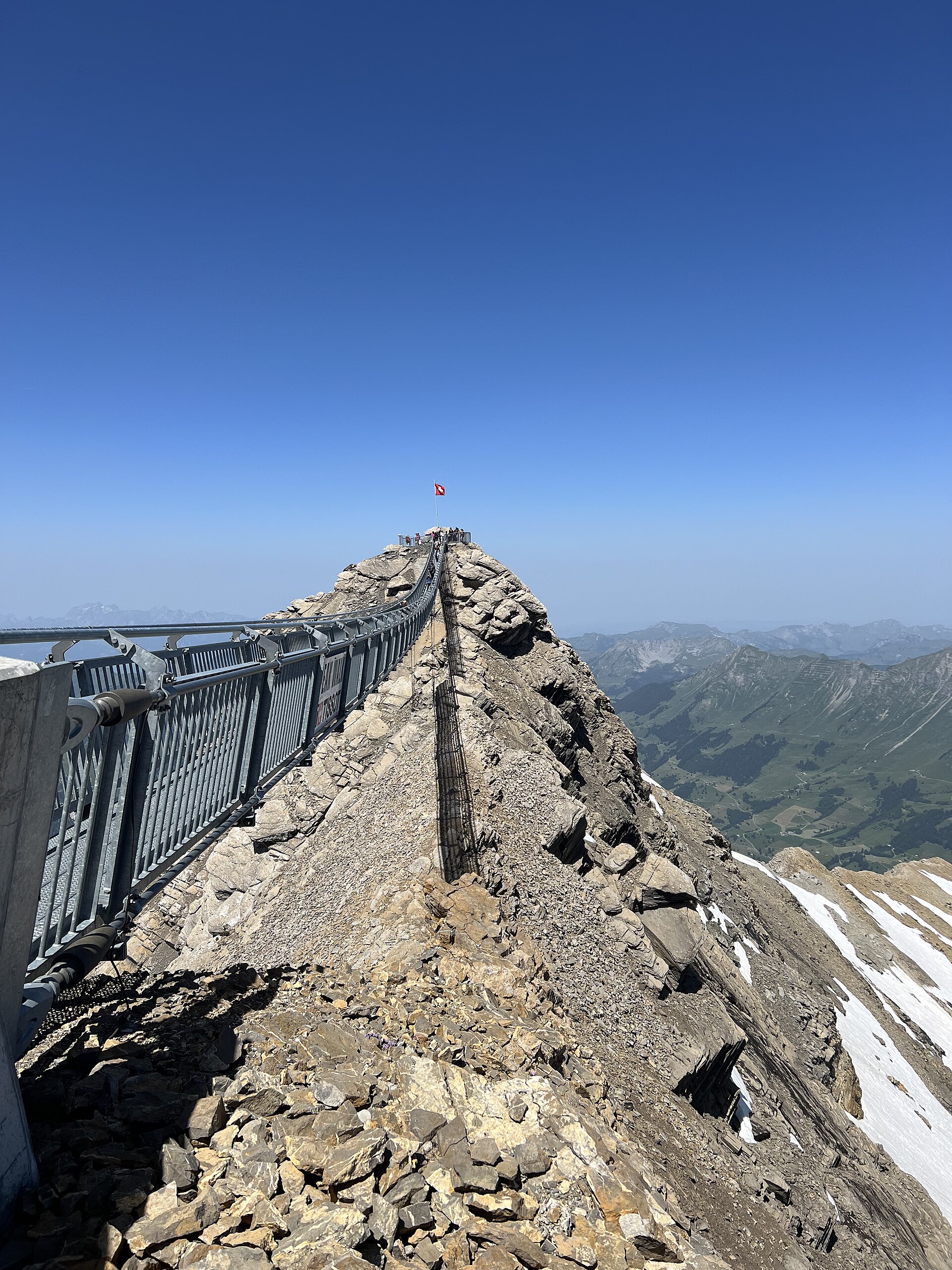
Assign roles before you leave the hotel
Who jumps, who films, who manages snacks, who stays with a nervous child who does not want to watch the exact moment of freefall? Children can feel big emotions when a parent disappears off a platform - even when everything is safe. Give them a job (photo captain, cheer lead, map holder) and permission to look away.[3]
Pack layers, water, and a quiet activity for queues. Hunger turns family adventure into family arbitration.
Timing that respects attention spans
Book earlier slots when possible so the day still has a beach, playground, or easy lunch afterward. Avoid stacking the jump at the end of a museum marathon. Adults need cognitive space for briefings; kids need the promise of a known fun thing after the waiting.[2]
Safety culture is a family value
Talk about why you chose a reputable operator - not as a fear lecture, but as a model of how adults take smart risks.[4] Never pressure teens who are over the age minimum but under emotional readiness. A spectator teen who trusts you more afterward is a win.
Celebration for everyone
The meal after should not be a monologue about who was bravest. Toast the jumpers and the spotters. Let kids order something special. Share one funny moment from the queue. If media arrives, watch it once together, then put phones away so the rest of the trip returns to shared pace.
Adults-only jumping on a family trip works when nobody’s day is an afterthought. The freefall is a chapter; the family is the book. Plan the viewing, the waiting, and the ice cream with as much pride as the leap.[1][3]
Talking to kids before and after
Beforehand, explain in concrete terms: adults will wear special equipment with trained staff; it is a planned activity, not a fall by accident; kids can watch or wait in a cafe depending on the site. Avoid graphic jokes that plant nightmare fuel. Afterward, let children ask questions and answer simply.[3]
Teenagers on the edge of eligibility need a private opt-out path that does not involve public family debate at the ticket desk. A text to a parent the night before - “I’m watching only” - should be honored without a speech about wasted money. Tickets are cheaper than trust.[1]
Grandparents and mobility-limited relatives deserve shade, seating, and a clear meeting point. If the viewing area is a steep walk, redesign so they enjoy a comfortable base while others go to the deck. Inclusion is logistics, not slogans.
After the jump, transition the family into a shared neutral activity quickly: ice cream, easy museum, hotel pool. That prevents the day from becoming a monologue about adult bravery while children melt down from heat and waiting. Shared pleasure re-syncs the group.[2]
Model risk literacy out loud: “We chose a company with rules and training.” Kids hear how adults pick adventure. That lesson may matter longer than the freefall footage.[4]
Budgeting a split-experience day fairly
When only some adults jump, avoid making non-jumpers subsidize media packages they do not want, and avoid making jumpers feel guilty for a line item that is their adventure. A simple approach: jump costs paid by jumpers, shared lunch paid by everyone, optional kid treats from a small communal pot. Transparency prevents the quiet resentment that ruins otherwise great trips.
If the site has a cafe with a view, pre-load it with snacks, coloring pages, or a downloaded show for younger kids so the wait is not pure endurance. For older kids, a scavenger list - find a certain colored helmet, count bridges, spot a bird - turns waiting into a game without trivializing safety.
End-of-day debrief works best with one round-robin question: “What was your favorite non-jump moment?” That question re-centers the family story on shared joy and keeps freefall from monopolizing the narrative for the rest of the vacation. Adults can still be proud; they simply refuse to make pride the only dish on the table.
Choose lodging that night with a pool or easy park access when possible. Bodies of all ages need a place to shake out the day. A cramped hotel room after a long site visit is how bedtime becomes a second negotiation none of you booked on purpose.
Sources
- AJ Hackett Bungy NZ - FAQs on ages, spectators, and planning (2026)
- AJ Hackett Kawarau Bridge - activity visitor experience (2026)
- KidsHealth - helping children handle big emotions (2024)
- XINSURANCE - safety culture for adventure activities (2023)
Image credits
- Photo: Boris Carmi / Wikimedia Commons (CC BY 4.0)
- Photo: CaramelizedOnions / Wikimedia Commons (CC BY-SA 4.0)