Parents search “kids bungee jumping” for two reasons: a child who is begging to jump, or a family adventure trip where the adults already booked and now need to know what the junior options actually are. The honest answer is narrower than social media suggests. Many commercial sites set minimum ages well into the pre-teen or teen years, and almost all enforce hard weight floors for cord selection and safety systems.[1][2]
That is not anti-fun bureaucracy. Elastic cords, harness geometry, and retrieval systems are designed around body mass and strength. A child below the weight band is not “brave enough if we just try” - they are outside the engineering envelope the operator is licensed to use.
Typical rules families actually face
At major New Zealand sites, for example, Kawarau Bridge Bungy lists a minimum age of 10, with under-15 jumpers needing adult consent at check-in, and a single-jumper weight band roughly in the 35 - 150 kg range (with river-level caveats). Higher, more intense products such as Nevis Bungy often sit at 13+ with similar consent rules. Zip lines and swings sometimes open earlier, sometimes with tandem-adult requirements for the youngest riders.[1][2]
Other countries and independent operators may set 12, 14, or 16 as the floor, or ban under-18s entirely without a parent present. Never assume a viral video equals local policy. Call or email the specific site, get written confirmation of age, weight, ID requirements, and guardian paperwork, and re-check a week before travel.
Medical honesty matters. Operators may refuse jumpers with certain conditions, recent injuries, or pregnancy in accompanying adults. If your child has a heart condition, uncontrolled asthma, seizure history, or significant anxiety disorders, speak with their pediatrician before you market the jump as a family highlight.[3]
Is “family-friendly” the same as “kid bungee”?
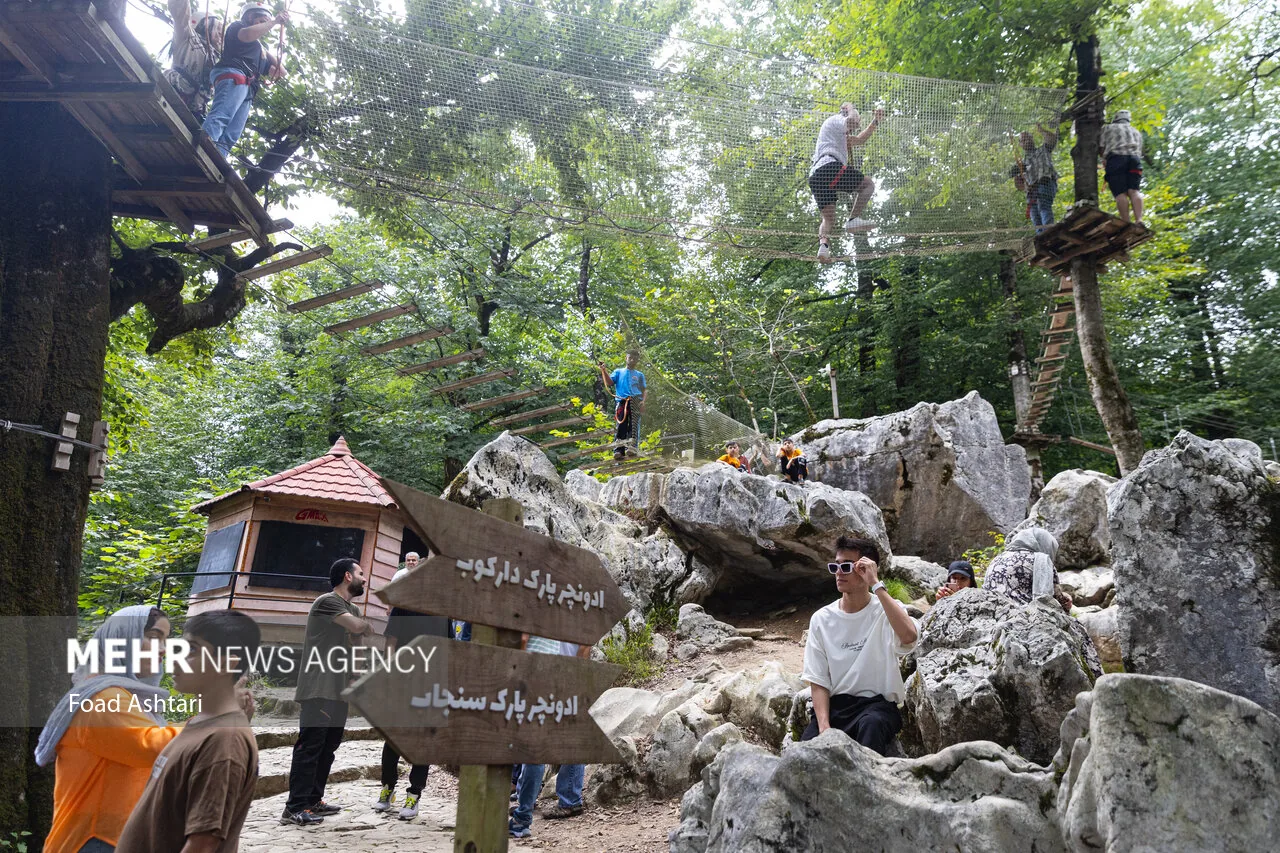
Often, no. Family-friendly adventure parks may offer viewing decks, café spaces, lower-height products, reverse bungee rides, giant swings, or bridge climbs that include younger children while older siblings or parents do a full bungy. That split-day model is frequently the happiest outcome: nobody feels forced, and the kid who is not ready still gets a peak experience.
When a child is old enough and within weight limits, frame the day as optional until the last responsible moment. Kids are excellent at reading parental pride and disappointment. The goal is a safe first extreme sport, not a performance for adult social media. Injury prevention principles from youth sports still apply: proper gear, qualified supervision, and no pressure to continue if something feels wrong.[4]
Practical checklist for parents
Confirm passport or ID rules for minors. Pack layers that fit under a harness without bulk, closed shoes that will stay on, and a hair tie. Leave jewelry and loose gadgets at the hotel. Eat a normal light meal; skip the experiment with brand-new foods the morning of. Bring a calm adult who is not jumping if one parent is anxious - children borrow emotional tone from the adults nearest the edge.
After the jump, expect big feelings: euphoria, tears, shaky legs, sudden hunger. Debrief without interrogation. Ask what they liked, what surprised them, and whether they would do it again someday. Celebrate effort and judgment equally - including the judgment to say “not today.”
Taking kids bungee jumping is only appropriate when the operator allows it, the child’s body meets the specs, and the child’s consent is real. Everything else is a different family adventure waiting to be planned with the same care.
Talking with kids about risk without killing the magic
Children take cues from how adults narrate danger. If every conversation is a lecture about death statistics, you may create either phobia or rebellious bravado. If every conversation is pure hype, you skip informed consent. Aim for plain language: the equipment is designed for certain body sizes; the staff are trained; you still have the right to say stop; fear is normal and not a character flaw.
Role-play the day at home. Walk through weigh-in, the briefing circle, sitting for harnesses, the shuffle to the edge. Let them practice a calm hand signal for “I need a minute.” Kids who feel they have a voice on the platform are less likely to freeze in shame or jump purely to please a parent filming from the deck.
Sibling dynamics deserve a pre-game talk too. Older kids should not be deputized as pressure agents. Younger kids watching should have a job - holding the celebration sign, managing the snack bag, choosing the victory playlist - so the day is not only about who was “brave enough.”
Finally, budget emotional recovery the same way you budget transport. A child who loved the jump may still crash into tears an hour later when adrenaline drains. That is not regret; it is physiology. Plan a low-stimulus evening and keep the debrief gentle. Family adventure is measured in trust deposited, not only in freefall seconds on a receipt.
When rules, readiness, and real consent line up, kids’ bungee - or the junior alternatives around it - can become a clean memory of shared courage. When any of those three is missing, choose the hike, the boat, or the lookout instead. The best family-friendly option is always the one that leaves everyone more connected than before they arrived at the gorge.
Sources
- AJ Hackett Bungy NZ - Queenstown age requirements by activity (2025)
- Kawarau Bridge Bungy - minimum age 10 and weight range (2025)
- American Academy of Pediatrics - physical activity and safety for children (2024)
- CDC - Youth sports and recreation injury prevention (2024)
Image credits
- Photo: Rob Young from United Kingdom / Wikimedia Commons (CC BY 2.0)
- Photo: Fouad Ashtari / Wikimedia Commons (CC BY 4.0)