The internet has a short list of bungee jumps everyone has already seen: Bloukrans, Macau Tower, Victoria Falls, Kawarau. Those sites earned the fame. They also earn the queues, the tour-bus timing, and the sense that you are starring in a well-rehearsed show. Hidden-gem bungee sites sit one layer off that main stage. They are still commercial operations with real safety systems - not backyard ropes - but they feel local, scenic, and slightly secret.[1]
A “hidden gem” is not necessarily lower or safer by magic. It is a site that rewards travelers who dig past the first page of search results: regional bridges, quarry cliffs, seasonal crane setups, or smaller national parks operations that never went fully viral. The freefall can still scramble your stomach. The difference is atmosphere - and sometimes price and wait time.
Quarry and lagoon jumps are classic under-the-radar thrills. Great Canadian Bungee’s limestone amphitheater near Ottawa is a good example of the type: a cliff-edge platform above vivid water, often with water-touch options that look intimate rather than mega-scale. Similar quarry and gorge setups exist in parts of Europe and Asia where industrial or natural amphitheaters create a private-feeling arena. You are not jumping into a postcard waterfall; you are dropping into a blue bowl of water and rock that feels like a secret stadium.
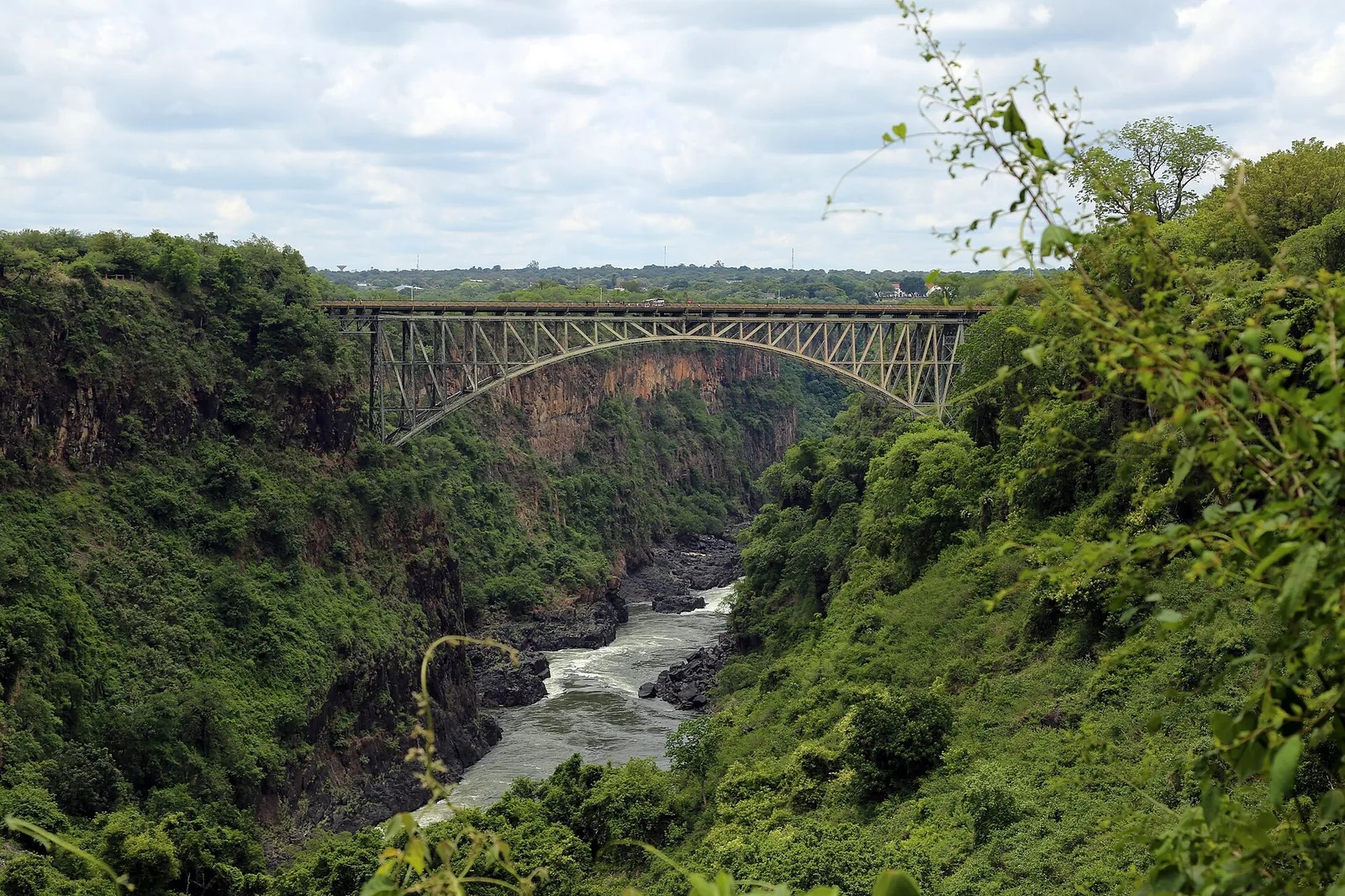
Regional bridge operations - Costa Rica’s Colorado River area jumps, smaller European viaducts, and South American canyon bridges - often deliver tropical or mountain scenery without the global brand recognition of the big three.[1] These sites can be extreme in their own right: humid air, river roar, rainforest walls. Tourists who only chase “world’s highest” lists miss them entirely. Adventure travelers who ask local guides and read regional tourism boards find them.
Seasonal and event-only sites are another hidden category. Some of the most dramatic bridges only host bungee on festival weekends or permitted sports events. Royal Gorge in Colorado, famous for its bridge height, has historically been associated with limited jump opportunities rather than a year-round ticket booth on every postcard.[1] Rarity becomes part of the gem: you jump because you planned around a window, not because a daily bus dropped you there.
Why seek these places? Crowds change psychology. On a quieter platform, the jump master’s brief is easier to hear, the photo package feels less industrial, and the pre-jump nerves are yours instead of a production line. Smaller operators may also offer more flexible styles - tandem options, water touches, or less rigid time slots - though you should never trade reputation for novelty. A quiet site with poor reviews is not a gem; it is a warning.
How do you find them without guessing? Start with national adventure-sport associations, regional tourism pages, and operator histories connected to known brands (AJ Hackett and peers helped spread commercial standards globally).[2] Read recent jumper reports for staff professionalism, harness quality, and weather cancelations. Cross-check medical and weight policies. Guardian-style adventure travel writing and local outdoor media often spotlight smaller operators that big listicles ignore.[3]
When you arrive, treat a hidden site with the same seriousness as a famous one. Verify insurance and emergency plans, ask how cords are inspected, and watch a jump before you book if you can. Hidden does not mean informal. The best small operators are meticulous precisely because they cannot hide behind a famous logo.
Pair the jump with the region. A lesser-known bridge in a wine valley, a quarry near a capital city, or a monsoon-season gorge with limited operating months can anchor a whole trip. You leave with freefall memories and a place story - dinner recommendations from staff, a trail you hiked the next morning, a town that is not flooded with selfie sticks at the same overlook.
Famous jumps will always have a place. They are landmarks of the sport. Hidden gems are for travelers who already know what freefall feels like - or who want their first jump to feel like a personal discovery rather than a checkbox. Seek operators who are proud of quiet excellence. Then step off where the cameras are fewer, the gorge is still vast, and the only viral moment is the one replaying in your own head on the way home.
Travel pacing is another reason gems outperform viral sites for some people. A famous tower may force you into a half-day logistics package with photo upsells and a tight bus connection. A regional bridge might let you swim afterward, eat at a family restaurant the staff recommends, and still be back in town before dark. That slower frame does not reduce freefall intensity; it increases the chance you will remember the place, not only the scream.
Seasonality shapes hidden gems more than mega-brands. Some canyon operations pause in flood season; some northern sites sleep through winter ice; some desert cranes only appear for festivals. Check operating calendars early, and treat shoulder season as a feature when crowds thin and light turns golden on the cliffs. Always reconfirm weather and water-level policies the week you travel - hidden does not mean static.
Finally, bring the same ethical traveler habits you would to any adventure sport: tip fairly where appropriate, do not pressure staff for unsafe exceptions, pack out trash from viewpoints, and avoid drone chaos near active platforms. The quiet sites stay quiet because communities and operators protect them. Your freefall should leave the gem still glittering for the next person who digs past the first search page.
Sources
- Wikipedia - Bungee jumping (2024)
- AJ Hackett official site (2024)
- The Guardian - adventure travel (2024)
Image credits
- Photo: Lorem Picsum / Unsplash photographers / picsum.photos (Unsplash License)
- Photo: flowcomm / Wikimedia Commons (CC BY 2.0)