Interlaken sits between Lake Thun and Lake Brienz like a hinge. That geography is not just scenic - it is operational. Trains, coaches, and mountain railways feed a compact town that learned, over decades, how to turn Alpine access into a menu of managed thrills. Paragliding launches, canyon routes, jet boats, skydives, and freefall-style products all cluster here because logistics favor density. You can sleep in one bed, book three activities, and still make dinner reservations.[1][4]
Call it soft adventure if you like: commercial, briefed, insurance-aware, and designed for visitors who want a serious pulse spike without a multi-day expedition. Interlaken became Europe’s soft-adventure capital not by being the most extreme place on the map, but by being the most reliably bookable one.
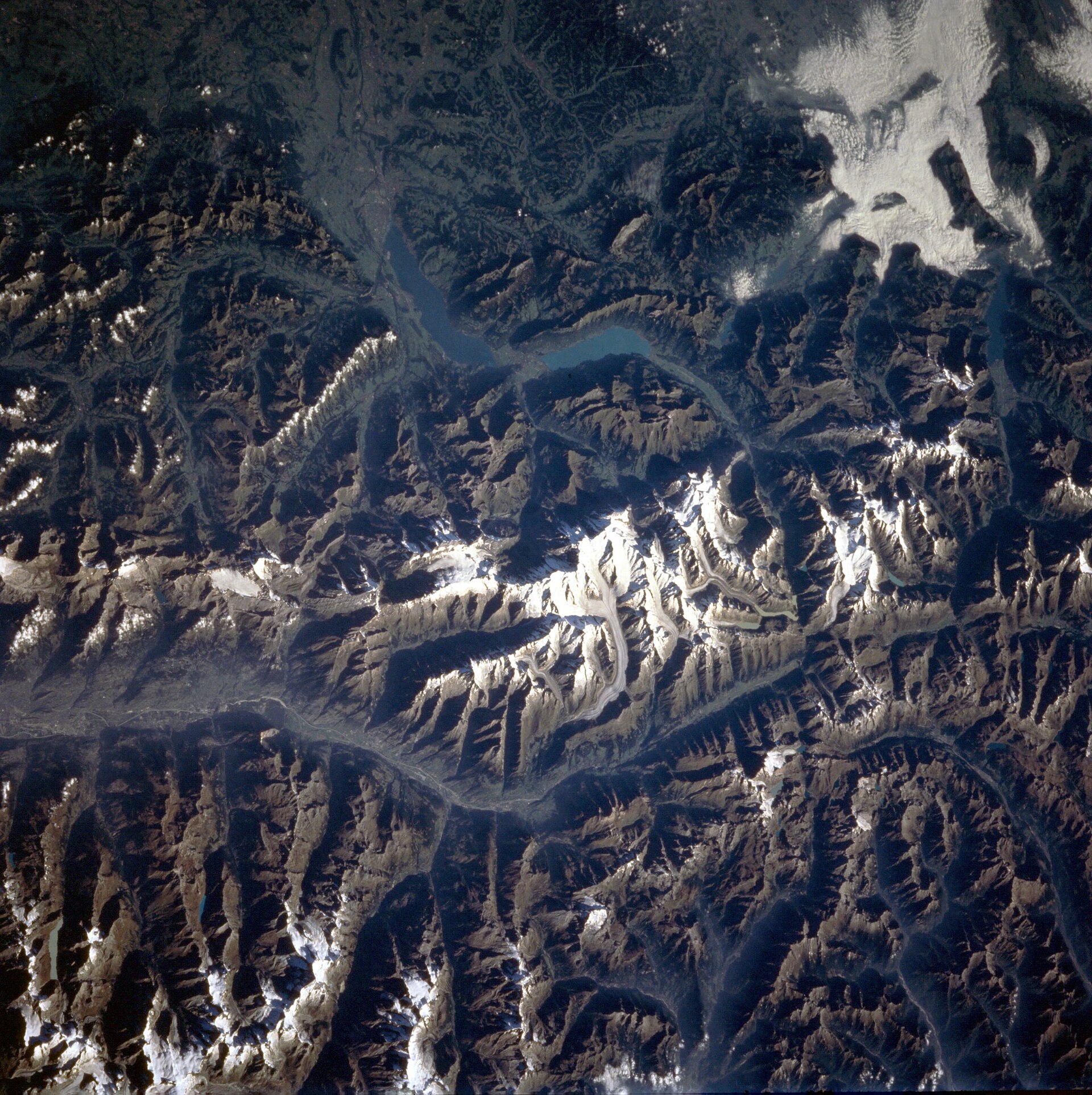
The hub model: one base, many drops
Specialist operators run shopfronts and bases in and around town, then shuttle guests to canyons, rivers, and launch sites. OUTDOOR and similar multi-sport brands make the pattern obvious - rafting one day, canyon swing the next, gear and briefings handled by people who do this for a living.[1] That shopfront culture lowers friction for international travelers who do not want to assemble a Swiss adventure from scratch in a second language.
The Canyon Swing near Grindelwald is a useful emblem of the Interlaken product style: a high platform, a counted freefall, then a high-speed arc through a glacial gorge under professional guidance.[2][3] It is not a backcountry improvisation. It is a packaged rush with meeting points, duration estimates, and safety framing - exactly the hybrid of wild scenery and urban convenience that defines the region.
Why trains matter as much as mountains
Interlaken Ost and West connect to Bern, Zurich, Lucerne, and the Jungfrau region with a reliability that road-only adventure towns envy. Day-trippers and multi-night guests share the same platforms. You can arrive without a rental car, sleep near Höheweg, and still reach glacial gorges and lakeside activities by organized transfer or public transport links.[4] Soft adventure thrives where the last kilometre is solved.
Weather is honest here. Summer valleys can be lush while higher launches close; shoulder seasons trade crowds for tighter activity windows. The hub model absorbs that variability: if one product cancels, another often remains bookable the same afternoon. That resilience is part of why Interlaken outcompetes more isolated Alpine villages for first-time European thrill itineraries.
Culture of the queue, not only the cliff
Walk the pedestrian spine on a clear morning and you will see harnesses over café chairs, helmets on luggage racks, and groups debriefing freefall with Swiss chocolate. The social proof is constant without being cruel. People look excited more than performatively fearless. That atmosphere lowers the stigma of nerves - useful if your “adventure” is a first canyon product rather than a lifelong extreme-sport identity.[1]
There is a commercial edge, of course. Hard sells exist. The fix is the same as anywhere: book established operators with clear medical and weight policies, read what is included (transfers, photos, second jumps), and leave buffer time between big adrenal hits. Soft adventure is still adventure; it is simply adventure with a front desk.
How to use Interlaken well
Give yourself two or three nights minimum. Pick one signature freefall-style product - canyon swing, bungy-style offering, or high-activity day - and one scenic non-cord experience such as a lake cruise, harderbahn viewpoint, or gentle ridge walk.[2][4] Eat like someone who will need calories and sleep. If you are collecting European thrills on rail, Interlaken is the efficient capital: not because it owns every cliff, but because it connects courage to a timetable you can actually keep.
Europe has wilder edges and quieter valleys. Interlaken won the soft-adventure crown by making the extraordinary feel administratively ordinary - and then delivering scenery that is anything but ordinary when your feet leave the platform.[3]
Book lodging near transport if you are rail-based, and treat height products like appointments with weather rather than ego. Interlaken will still feed you chocolate and mountain light if the canyon is closed for an afternoon. The soft-adventure capital earns its title when a cancelled freefall does not cancel the holiday - because the hub always has another honest way to be outside.[1][4]
Sources
- OUTDOOR Switzerland - adventure sports hub (2026)
- Interlaken Tourism - Canyon Swing experience (2026)
- OUTDOOR - Canyon Swing Grindelwald (2026)
- Wikipedia - Interlaken (2025)
Image credits
- Photo: Nasa, worked over by de:Benutzer:Albinfo / Wikimedia Commons (Public domain)
- Photo: Provided by the Earth Sciences and Image Analysis Laboratory at Johnson Space Center / Wikimedia Commons (Public domain)