Not every freefall stares into a dry canyon. Some of the most memorable bungee experiences face open water - island cliffs, harbour towers, coastal bridges, and decks where the horizon is a hard blue line. Ocean views change the sensory script: salt in the wind, gulls instead of eagles, a different quality of light on the cord. They also change the planning, because marine weather is a co-author of your day.
The cultural root of elastic leaping is itself island-coded. Land diving on Pentecost Island in Vanuatu - vines, wooden towers, ritual timing - is the historical ancestor often cited for modern bungee, even though commercial cords and ankle harnesses are a different technology.[1] Visiting or studying that tradition is not the same as buying a ticketed freefall, but it reminds coastal jumpers that height-over-water has deep human roots. Modern commercial sites from harbour towers to riverside bridges sit on that longer story whether they advertise it or not.
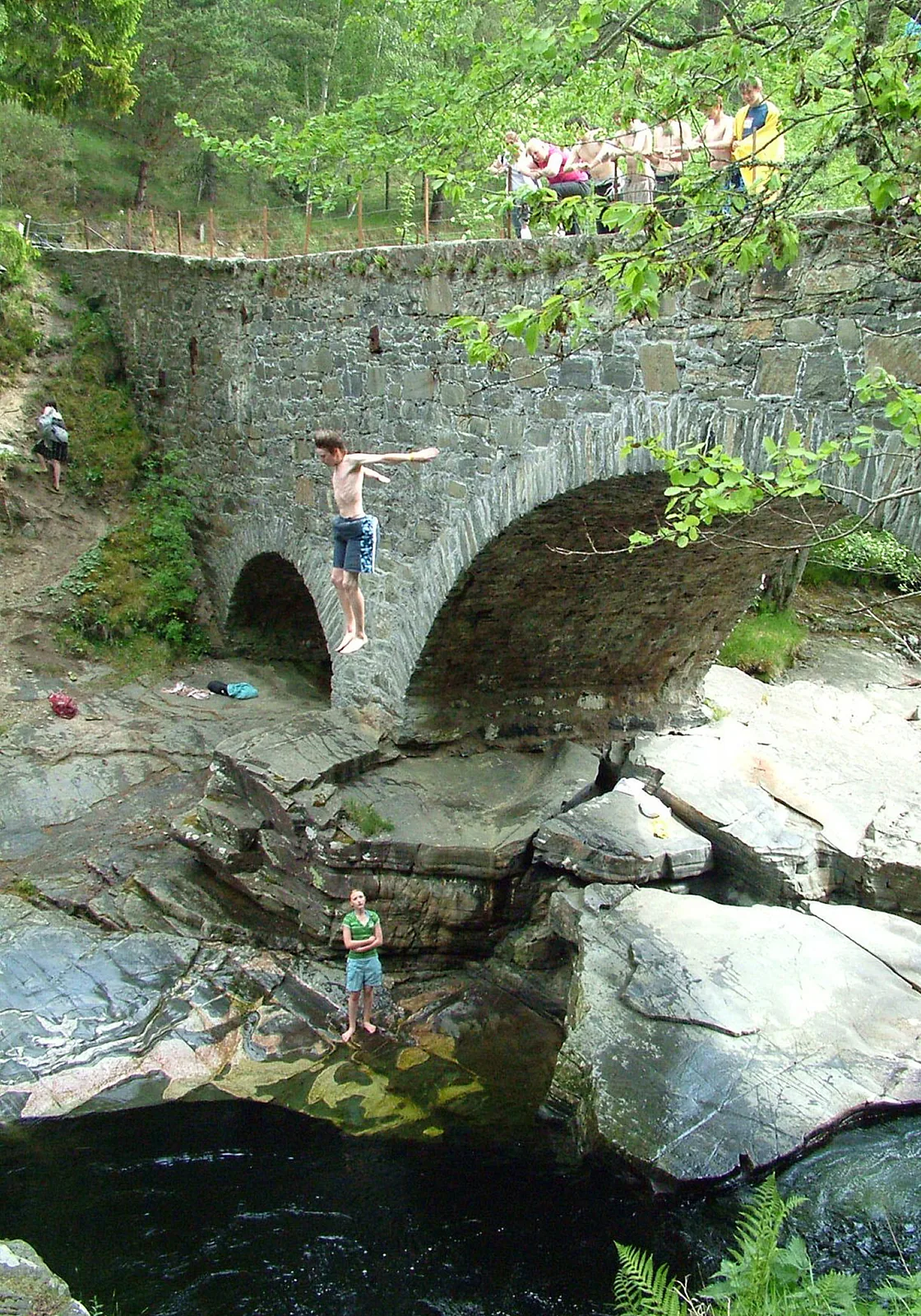
Contemporary coastal products vary wildly. Some are true ocean overlooks; others are river mouths and harbour basins that merely smell of the sea. Macau Tower’s famous commercial jump is an urban coastal tower experience with skyline and water in the wider frame.[3] Queenstown’s classic Kawarau Bridge faces river rather than open ocean, yet it shows how water beneath a jump becomes part of the brand - splash options, reflections, the psychological comfort (or terror) of blue instead of rock.[2] Victoria Falls is freshwater theatre, not salt, but it demonstrates the same principle: a moving body of water under the freefall rewrites the emotional math.[4]
Wind is the coastal tax. Inland canyons can be gusty; marine cliffs can be relentless. Operators may delay or cancel when crosswinds make pendulum paths unpredictable. Build itineraries with a weather buffer day, especially on islands where the next ferry matters more than your stubbornness. Humidity and corrosion also matter behind the scenes - reputable coastal operators maintain equipment with marine environments in mind, which is another reason to prefer established companies over pop-up crane days on a pier.
What should you pack differently? Layers that block wind without turning into sails, secure storage for sandy or salty phones, and motion-sickness awareness if a boat shuttle is part of the approach. Ask whether the retrieval drops you onto a barge, a beach path, or back onto the deck. Confirm footwear rules; wet decks are slippery. If you are photographing friends, coastal glare is brutal - polarizing lenses help spectators more than jumpers.
Ethically, island and coastal jumps often sit near fragile environments and tourism-dependent communities. Choose operators who control crowd flow, keep rubbish off cliffs, and do not treat sacred or residential shorelines as disposable backdrops. If a site markets “secret cliff” energy without permits, walk away. The ocean does not need another unregulated scar.
Island and coastal bungee is freefall with a maritime soundtrack. Plan for wind, respect the water, and pick the operator who treats the shoreline as a workplace, not a prop. When the cord catches and the horizon tilts, you will understand why blue space under your feet feels different from red rock - not safer, not harder, just indelibly alive.
Saltwater and gear have a private relationship that guests rarely see. Corrosion control, rinse protocols, and more frequent hardware inspection are part of what separates a professional coastal operator from a weekend pier stunt. When you tour or book, ask simple questions: how often is equipment retired, who does daily checks, and what weather thresholds pause operations. Confident answers beat swagger. If staff cannot explain a backup connection, keep your money in your pocket and your feet on the boardwalk.
Island logistics multiply small mistakes. Ferries cancel, trade winds rise, and “ten minutes by taxi” becomes an hour when cruise-ship traffic jams the only coastal road. Book flexible tickets when you can. Tell the operator you are on a ferry timetable. Consider jumping early in your island stay so a weather hold does not collide with your departure. If the freefall includes a boat retrieval, discuss seasickness remedies that will not leave you drowsy at the edge - and never mix those remedies with alcohol.
Coastal views also invite better storytelling if you slow down after the bounce. Walk the shoreline. Notice how the same water looks different at dusk. Write a few lines about the smell of the wind. Ocean-backed jumps are easy to reduce to a vertical number; they are richer as horizontal memories - horizon lines, weather moods, and the odd humility of being a small human on a big edge of sea that was moving long before commercial cords existed.
Sources
- Wikipedia - Land diving (Pentecost Island context) (2025)
- AJ Hackett Bungy NZ - Kawarau Bridge (2026)
- Skypark Macau - coastal tower bungy setting (2026)
- Shearwater Bungee - Victoria Falls (river/falls contrast) (2026)
Image credits
- Photo: Leo-setä / Wikimedia Commons (CC BY-SA 2.0)
- Photo: Mike McBey / Wikimedia Commons (CC BY 2.0)