Adrenaline is a thief of detail. By the time you are at dinner, the freefall has already compressed into a highlight reel: edge, scream, bounce, photo. Journaling is how you steal the detail back. You do not need to become a memoirist. You need twenty honest minutes while your nervous system still remembers the temperature of the wind.
Why write at all? Because intense experiences are easy to mythologize and hard to integrate. Exposure and fear-ladder traditions in psychology emphasize structured approach to fear and learning from the encounter; reflection is the learning half that sports culture often skips.[1][2][3][4] A jump can become a one-line identity claim (“I am fearless now”) or a nuanced data point (“I can act while afraid”). Writing pushes you toward the second.
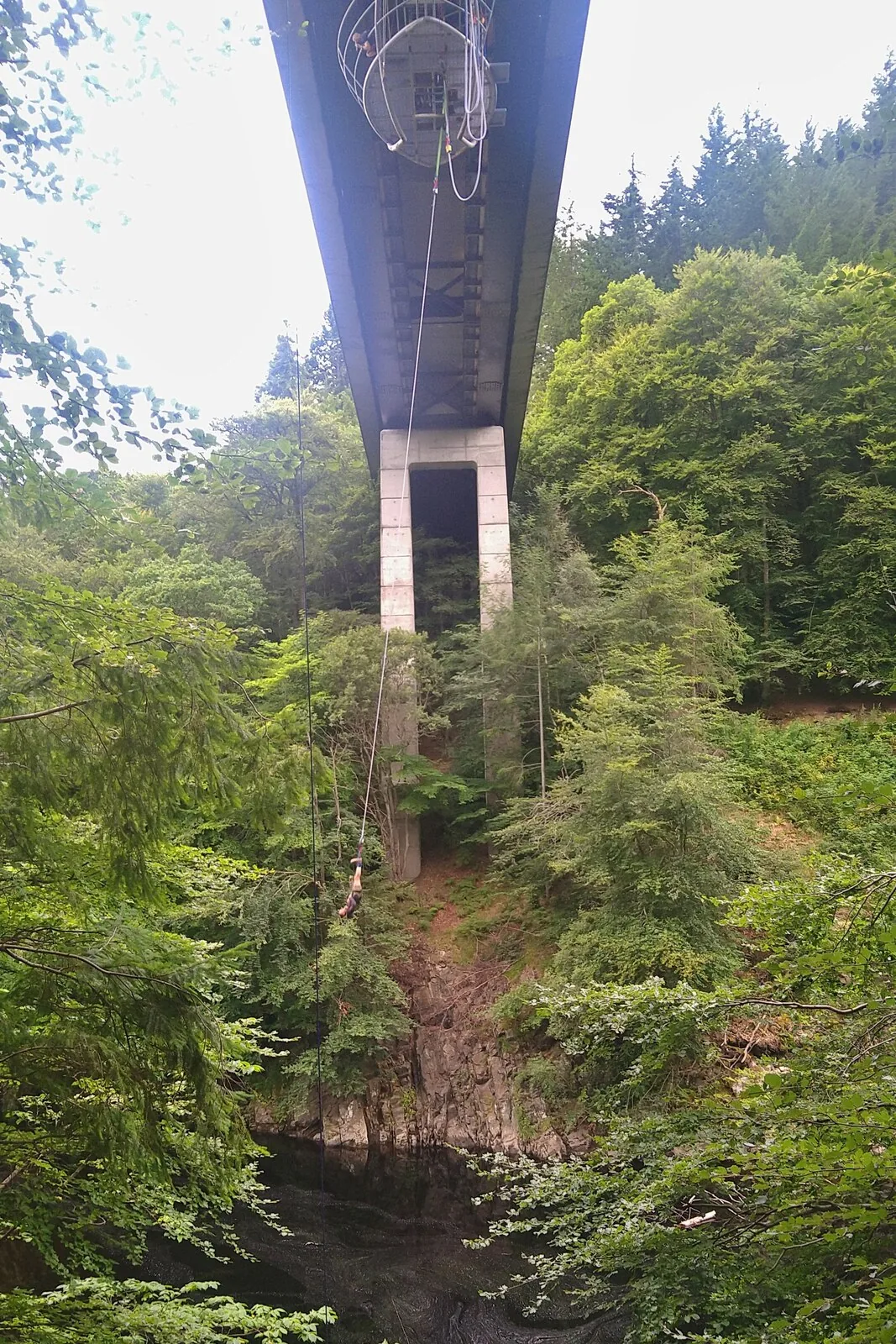
Try a three-phase journal: immediate, next morning, one week later. Immediate notes capture raw sensation. Next-morning notes capture narrative. One-week notes capture meaning after social media has finished telling you what the day “should” mean.
Immediate prompts (10 - 15 minutes): What did my feet feel on the platform? What did I look at just before I jumped - horizon, cord, hands, nothing? What phrase looped in my head? When fear peaked, what did I do with my breath? What surprised me about the freefall versus my imagination? What did my body do after retrieval (cry, laugh, shake, go quiet)? If a friend asked “how was it?” right now, what one true sentence would I say?
Next-morning prompts: What part of the day was harder than the jump itself (waiting, paperwork, watching others, the drive)? Where did I feel social pressure? Where did I feel support? Did I back out at any micro-moment and re-enter? What would I tell a first-timer about the briefing? What am I proud of that is not about “being brave” - honesty, preparation, kindness to a scared stranger?
One-week prompts: Has the jump changed any daily behavior (a hard conversation, a workout, a boundary)? Am I using the jump as proof I must always escalate thrills? Or as proof I can choose discomfort deliberately? What fear ladder rung is next in ordinary life - not necessarily another extreme sport? What do I want to remember in five years when the video codec rots?
Optional creative angles: write the jump from the cord’s point of view; write a letter to the version of you in the queue; list five sounds you heard in order; sketch the platform from memory without looking at photos. If the jump linked to grief, recovery, or identity, consider private pages rather than public posts. Not every freefall belongs to the feed.
Keep logistics light: phone note is fine; paper is finer if screens amp you up. Date the entry. Store it where future-you can find it before the next hard thing. The point is not perfect prose. The point is to keep the jump from shrinking into a souvenir when it could remain a teacher.
Seconds of freefall can reorganize a life, but only if you give them language. Write while the air is still in your lungs. Future-you, standing on some other edge, will be glad you did.
If writing feels awkward, lower the bar. Bullet points count. Voice memos count. A comic six-panel sketch counts. The medium is less important than the honesty. Avoid turning the page into a press release for your personal brand. Include the ugly bits: the mean thought about the person ahead of you, the moment you almost minimized a medical detail, the way your voice sounded on the video. Those details are where growth hides when polished storytelling would rather look away.
Sharing is optional and strategic. A private journal can be blunter than a public post. If you do share, consider selecting one insight rather than the whole raw dump - especially if the jump touched grief or trauma. Audiences are not therapists. Friends can be wonderful witnesses if you ask for the kind of listening you need: celebration, quiet company, or help planning the next fear-ladder rung in ordinary life where no cord will catch you.
Return to the entry on anniversaries. One year later, what still feels true? What aged into exaggeration? People often discover that the point of the jump changes. Maybe it began as a birthday stunt and became a reminder that bodies can be allies. Maybe it began as conquest and became humility. Journaling lets the meaning evolve on record, which is a rarer souvenir than any certificate with your freefall time printed in bold ink that eventually fades.
Sources
- APA - Exposure therapy patient overview (2023)
- Therapist Aid - Exposure hierarchy concepts (2022)
- Psychology Tools - Fear Ladder (2024)
- Mayo Clinic Anxiety Coach - Fear ladder building (2024)
Image credits
- Photo: bvi4092 / Wikimedia Commons (CC BY 2.0)
- Photo: Gordon Brown / Wikimedia Commons (CC BY-SA 2.0)