Scandinavia’s vertical drama is geological first. Fjords cut deep; cliffs hold snow late; summer light lingers like it has something to prove. Crowds concentrate on a handful of cruise-famous viewpoints, which means travelers willing to plan laterally can still find height, silence, and managed adventure without the theme-park density of more compressed Alpine hubs.[1][3]
Vertical tourism here is often quieter in volume and stricter in season. That combination is a feature if you value space.
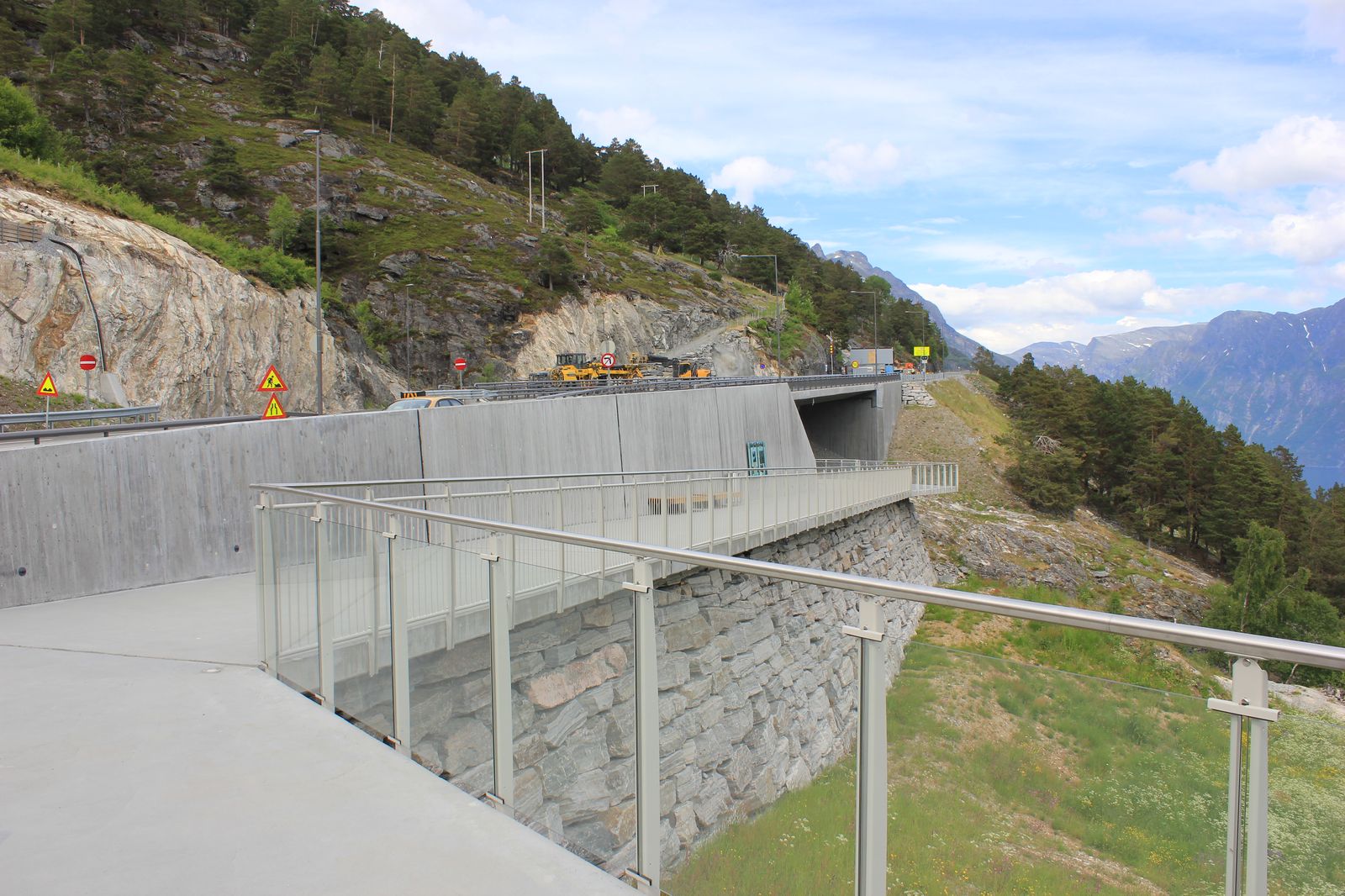
What “vertical tourism” means in fjord country
Expect a mix: commercial freefall products where they exist and are operating, base-adjacent sports, via ferrata-style routes, guided climbs, ziplines, and bridge or platform experiences that sell exposure as much as pure bungy heritage.[4] The honest traveler verifies each activity’s current status rather than assuming every cliff has a cord and a credit-card machine.
Norway’s official tourism channels are strong for regional access, ferry logic, and seasonal expectations; Sweden offers complementary northern and forest-cliff moods with its own outdoor ethic.[1][2]
Season, light, and the long approach
Summer is the practical window for many outdoor operators and for road or ferry combinations that feel humane. Midnight-adjacent light can make evening activities surreal; it can also wreck sleep if you do not use blackout strategies.[1] Distances are real. A “nearby” second activity may be a scenic half-day transfer - budget time like a local, not like a city hop.
Weather cancels with authority. Build a non-height consolation day that you would still love: museum, coastal walk, sauna culture, or a slow train segment.
Crowd avoidance without chasing danger
Quiet is not the same as unregulated. Stay with licensed operators and marked experiences. The Scandinavian outdoor reputation for safety and nature respect is something you join, not something you exploit for a forbidden cliff selfie.[2][4]
Travel shoulder weeks if you can. Book lodging that allows flexible breakfast times around activity pickups. Learn minimal phrases and trail courtesy - letting someone pass on a narrow path is part of the region’s vertical culture too.
A trip shape that fits the map
Fly into a hub, take one scenic overland or coastal leg, base three nights near your primary height product, then exit via a different scenic route so the fjord geometry stays varied.[3] One serious managed adrenaline day plus two landscape days usually beats four rushed tickets.
Fjord country courage is patient. It rewards people who want freefall or exposure without a stadium soundtrack - and who understand that in Scandinavia, the void is often shared with wind, water, and a silence you can still hear after the rebound.[1][4]
Cost structures differ from Southern European soft-adventure hubs. Scandinavian lodging, food, and guided products can run high; the compensation is often quality, space, and landscapes that feel undiluted. Budget for fewer activities done better. A single exceptional height day plus slow ferry time may outrank three rushed tickets.[1][2]
Pack for thermal swings. Fjord wind after water-adjacent activities can steal heat quickly; post-adrenaline chill is real. Bring a warm layer to the meeting point even in July photos that look like endless summer.[3]
Community and environmental norms are part of the product. Stay on durable surfaces, follow local camping and drone rules, and treat silence as a shared resource near small villages. Vertical tourism without crowds stays possible only if visitors do not import stadium behavior into fragile edges.[4]
Come for freefall if it is operating; stay for the way cliffs meet deep water under long light. Scandinavian vertical travel is a masterclass in proportion - big nature, small groups, careful yeses - and that proportion is the thrill beneath the thrill.
Sources
- Visit Norway - official tourism (2026)
- Visit Sweden - official tourism (2026)
- Wikipedia - Fjord (2025)
- Wikipedia - Bungee jumping (2025)
Image credits
- Photo: Sundgot / Wikimedia Commons (CC BY-SA 4.0)
- Photo: Sundgot / Wikimedia Commons (CC BY-SA 4.0)