Not every site offers a true tandem bungee, and “tandem” can mean different rigging philosophies. Still, the choice between jumping alone and jumping in a shared setup - where available - shapes fear, logistics, and the story you will tell later.[1] Make the choice before you are on the lip, when marketing language and peer pressure are less able to do your thinking.
Also verify definitions. Some packages sound paired because of photos or coaching, not because two jumpers leave the deck on one system. Read the technical description, not only the brochure skyline.[3]
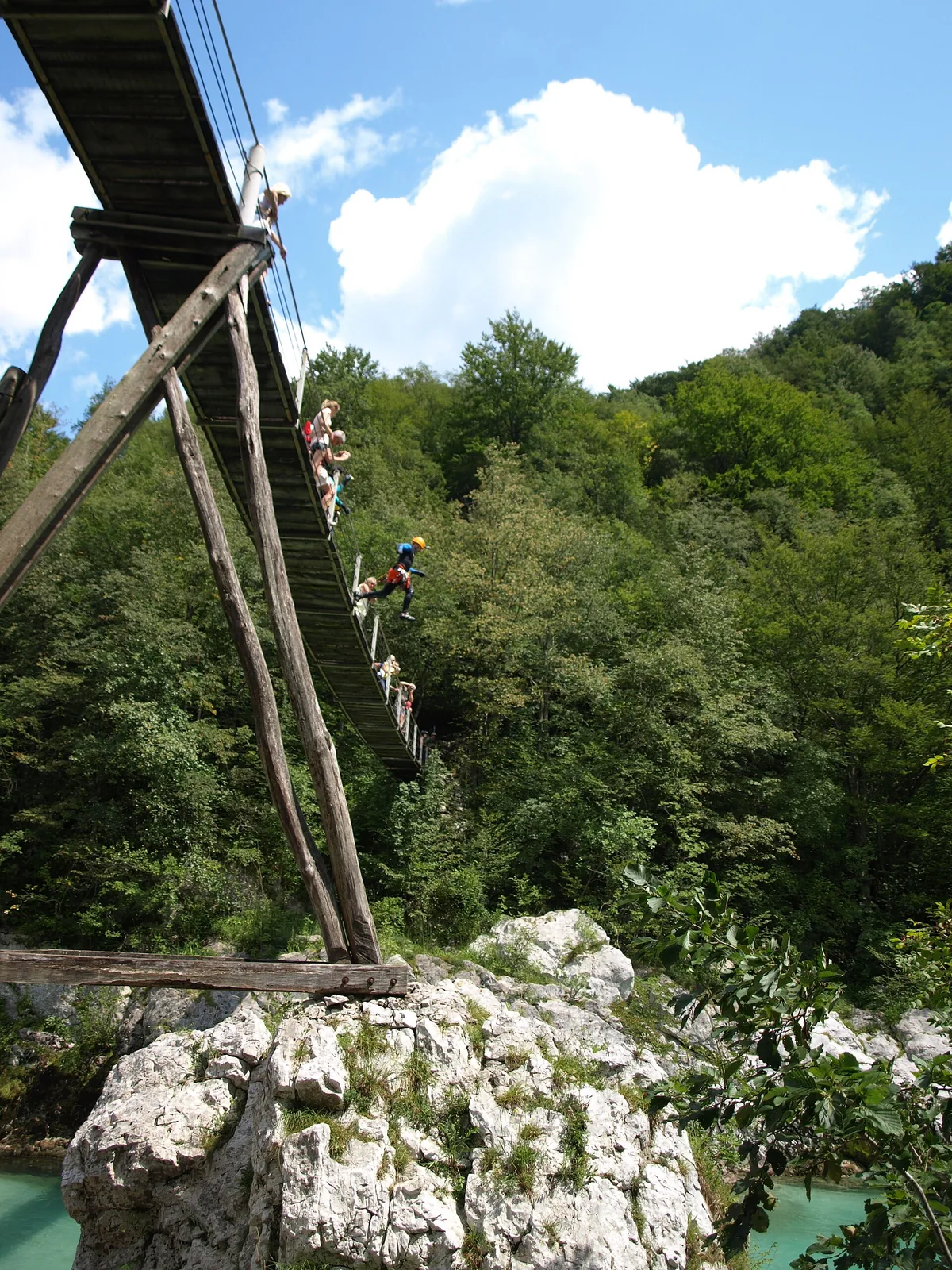
Solo: the classic contract
Solo jumping is the default at most commercial sites. You and the cord. The psychological arc is clean: my fear, my step, my rebound. Many first-timers want that undiluted authorship. Solo also simplifies scheduling - no need to match a partner’s weight class, medical status, or nerve timeline.[2]
The downside is obvious. There is no human anchor at the edge except the crew. If your fear thrives in isolation, solo can feel stark. That starkness is also the point for some jumpers: a private test with public scenery. If you already know you perform worse without a buddy in other sports, factor that in honestly rather than cosplaying a lone-wolf ideal.
Tandem: shared hardware, shared moment
Where tandem or assisted formats exist, they can reduce the loneliness of the edge and help jumpers who freeze when left entirely to their own countdown. A calmer partner’s breathing and commitment can co-regulate your nervous system. Photos look different; memories feel paired. For couples or close friends, the shared scream becomes part of the relationship lore.
Tradeoffs include scheduling complexity, combined weight limits, and less sense of individual mastery. If your goal is “I did this by myself,” tandem may leave a small asterisk in your mind even when the freefall was real. That asterisk is not objective truth - it is a values question you should answer before money changes hands.
Fear profiles
Choose solo if you want maximum agency and you can follow crew cues without a companion. Choose tandem-style options if available and you know social support is what keeps you functional - similar to preferring a dive buddy. Neither choice is braver. Bravery is honest matching of method to psychology.[4]
Beware of choosing tandem only so someone else can “make you jump.” If you need coercion to leave the platform, you need a different day, not a different harness. Support is not the same as pressure wearing a smile.
Practical constraints
Always confirm harness type, weight rules, price, and whether both people must meet medical criteria. Gear is the quiet half of this decision: dual loads change energy calculations and equipment selection. Sites that offer tandem should be able to explain those constraints without hand-waving. If they cannot, treat the product as unclear and shop elsewhere.
Also consider retrieval, photo packages, and timing. Shared jumps can mean shared waits and shared logistics if one person freezes. Agree in advance what happens if one of you withdraws. Friendships survive clearer plans.
A simple decision rule
If you daydream about the personal milestone, book solo. If you daydream about getting through it with someone you trust, and the operator has a real dual format, consider that path. If you are only choosing tandem to be talked into a jump you actively do not want, that is peer pressure wearing a harness - and peer pressure is a poor jump coach.
There is also a gear literacy angle. Solo ankle harnesses, body harnesses, and dual-jumper systems load the body differently and feel different at the catch. If you have prior injuries, ask which format places force where. “Tandem because I’m scared” might be the wrong answer if the dual system conflicts with a shoulder issue, for example. Fear management and biomechanics both deserve a vote.
Whatever you choose, rehearse the social script. Solo jumpers should tell friends not to scream conflicting instructions. Tandem partners should agree who speaks to the crew and what happens if one person withdraws after harnessing starts. Clear scripts prevent the edge from becoming an argument with straps on.
Price can distort the choice. Tandem formats, where they exist, may cost more and include packaging that makes them look like the “premium courage option.” Pay for the format that matches your psychology and the site’s real equipment - not for the story a salesperson prefers. Premium pricing does not convert a bad fit into a good one.
Practical takeaway: match format to your goal - authorship versus support - confirm the site’s real rigging options, and do not let anyone else’s preference write your edge moment.
Sources
- Wikipedia: Bungee jumping (2024)
- AJ Hackett Bungy New Zealand (2024)
- Guardian: Top 10 bungee jumps (2013)
- Britannica: Bungee jumping (2023)
Image credits
- Photo: Jocelyn Kinghorn / Wikimedia Commons (CC BY-SA 2.0)
- Photo: Marjolein from The Netherlands / Wikimedia Commons (CC BY 2.0)