Skip to content

Urban Bungee Spots vs. Natural Landscape Bungee Jumps

Travel

All commercial bungee jumps sell a controlled departure from solid ground. After that, urban and natural sites diverge like different genres of film. One is skyline spectacle with elevators and LED boards. The other is weather, rock, and the feeling that geology is the real host.[1][2]

Urban bungee: precision theatre

City tower and metropolitan bridge products often win on logistics. You can ride public transport, store luggage, and return to a restaurant without red dust in your teeth. Heights can be extreme; Macau’s commercial building bungy is famous precisely as an urban engineering statement.[1] Briefings may feel more “attraction” than “expedition,” with polished media packages and multilingual queues.

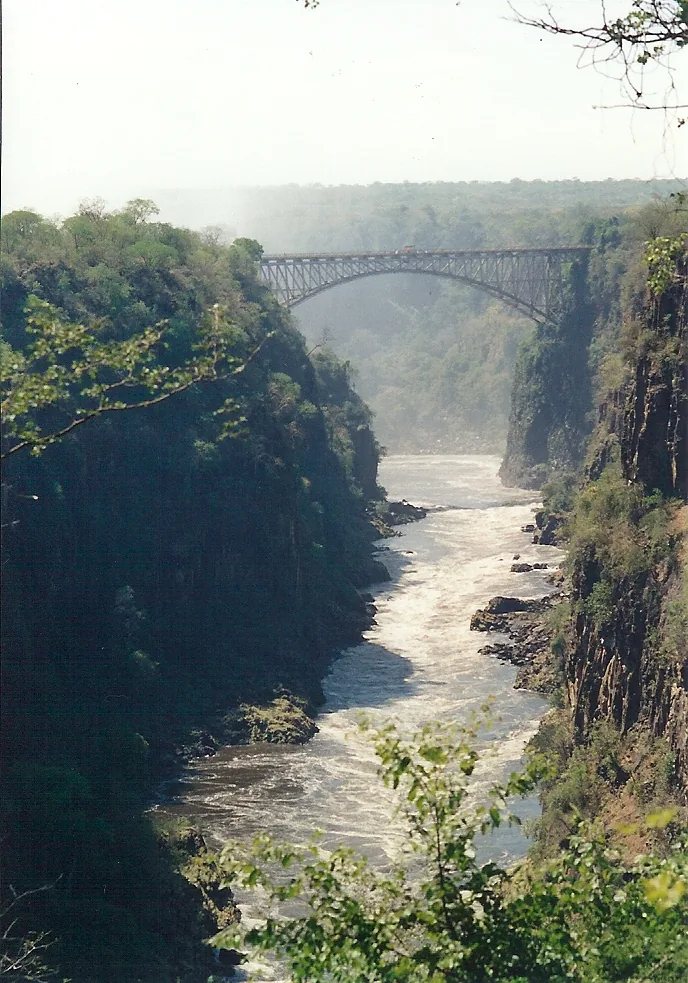
Victoria Falls bridge
Photo: JackyR / Wikimedia Commons (CC BY-SA 3.0)

The psychological flavor is exposure above human density. You see traffic grids, harbors, and glass. Some jumpers find that more terrifying than wilderness because the city looks survivable until the edge redefines it. Others feel safer knowing hospitals and infrastructure are close.

Natural landscape bungee: scale and sensory overload

Gorge, river, and waterfall jumps trade skyline for depth. Classic New Zealand bridge culture grew up in landscapes that make freefall feel mythic rather than municipal.[2] Landmark African bridge jumps add mist, wildlife lore, and cross-border geography to the sensory stack.[3] Wind smells like water and stone. The recovery can involve boats or long views that make small talk feel inadequate.

Nature sites demand more respect for seasons, footing, and environmental impact. Sustainable tourism principles remind visitors that host communities and ecosystems are not disposable scenery.[4]

Side-by-side decision factors

Access: Urban usually easier; natural may need transfers and time buffers.
Weather sensitivity: Both cancel for wind; natural sites may add river and storm complexity.
Fear flavor: Urban = human-built void; natural = deep geological void.
Photography: Urban is graphic and vertical; natural is cinematic and wide.
Crowds: Urban can mean attraction throughput; natural can mean tour-bus waves or intimate decks depending on site.
Cost structure: Flagship towers can price like premium entertainment; remote natural icons may bundle park fees and transfers.

Who thrives where

Choose urban if you want a high-confidence commercial machine, tight schedules, and a jump folded into a city break.[1] Choose natural if the point of the trip is landscape immersion and you can protect a weather day.[2][3] Choose both on a longer itinerary if you want comparative storytelling - the cord becomes a constant while the world under your feet changes genre.

Safety is not a biome

Do not assume wilderness means reckless or that cities mean automatic excellence. Audit operators the same way everywhere: checks, gear condition, medical screening, rescue plan. A polished lobby can hide haste; a wooden shack can hide mastery - or the opposite. Judge process.[2]

A blended travel ideal

Many travelers’ favorite circuit pairs a natural “why we came” jump with an urban “can you believe this exists” jump, then a rest day that includes neither. That rhythm honors both theatres without turning your nervous system into a continuous performance. Wherever you step off, leave the place as clean as you found it - freefall is temporary; destinations keep the receipts.[4]

Soundscapes differ as much as views. Urban sites mix traffic hum, PA systems, and countdown theatrics. Natural sites mix wind, water, and sometimes wildlife. If you are noise-sensitive or trying to stay introspective, ask operators about typical deck atmosphere and whether early slots are quieter. The “same sport” claim collapses the moment you listen.

Clothing and kit strategies change too. City jumps may allow tighter connections to hotels and salons; gorge jumps punish fashion shoes and reward layers that handle mud and mist. Always prioritize harness compatibility over style, but pack for the biome you chose.[2][3]

For photographers and content creators, urban geometry offers leading lines and scale references people instantly understand. Natural geometry offers timelessness and fewer brand distractions. Neither is more “authentic.” Authenticity is whether the operator’s safety culture matches the promise of the postcard.[1]

If you can only pick one for a first jump, choose the setting that lowers your non-bungee stressors. Hate traffic and crowds? A well-run natural site with a calm morning slot may free attention for freefall. Hate uncertainty and long transfers? An urban flagship with clear elevators and fixed schedules may be the kinder classroom. The cord will teach the rest.[4]


Sources

  1. Skypark Macau - urban high commercial bungy (2026)
  2. AJ Hackett Bungy NZ - natural gorge and bridge settings (2026)
  3. Shearwater Bungee - natural landmark bridge jump (2026)
  4. UN Tourism - sustainable destination thinking (2026)

Image credits