Adventure tourism looks like pure adrenaline from the outside. From the inside it is logistics, hospitality, maintenance, and training. Volunteering and internships can be on-ramps - or traps - depending on structure and ethics.[1][2]
Roles that realistically open doors
- Base and booking support
- Guest flow and retail
- Media assisting under supervision
- Site maintenance and grounds (non-critical tasks)
- Conservation or trail projects linked to tourism operators
- Marketing and content internships with clear deliverables
Direct rigging and jump-master pathways usually require formal training, demonstrated hours, and company-specific progression - not a weekend volunteer badge.[3][4]
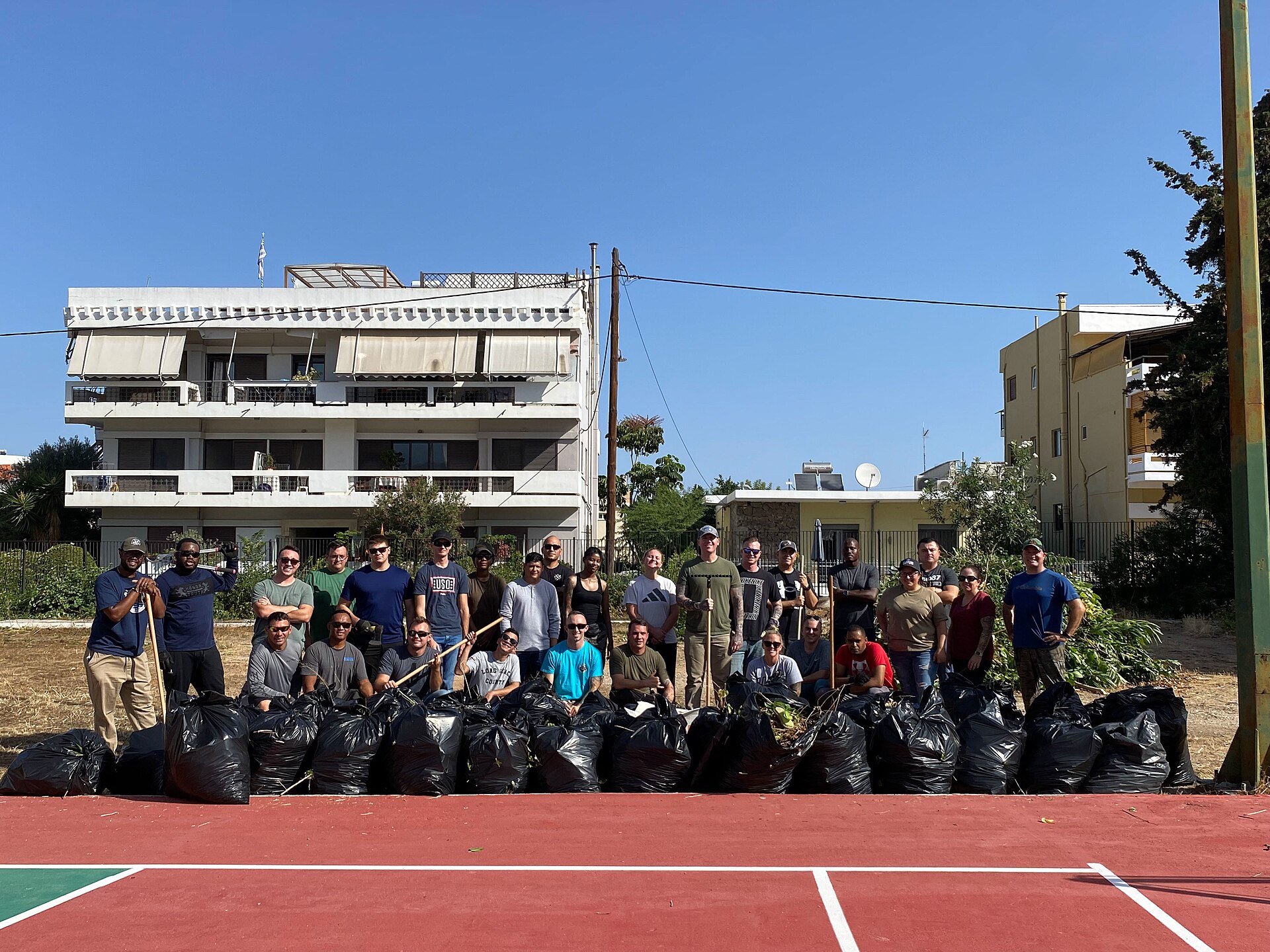
What good programs look like
Written learning goals, supervision, insurance clarity, housing terms if any, and a schedule that is not unlimited free labor. Paid internships where law and norms require pay. Mentors who explain why a check exists, not only how to smile for guests.[1]
Red flags
- “Work for free, maybe jump for free” with no training plan
- Pressure to perform safety-critical tasks untrained
- Vague visas or cash-only arrangements in legal gray zones
- Operators who mock regulation as optional
- Isolation without emergency contacts or rest days
Your labor should never be the thing that makes an unsafe site affordable.[3]
Skills that transfer
Radio discipline, customer de-escalation, weather awareness, first-aid upgrades, briefing clarity, and equipment respect. These skills move across guiding, parks, events, and hospitality even if you never become the person who says “three-two-one.”[2]
How to apply like a professional
Lead with reliability stories, not only your personal jump count. Show you can listen. Ask about progression timelines. Research the brand’s reputation. Treat the industry as a craft economy, because that is what serious companies already are.[4][1]
Volunteering done right is apprenticeship energy with boundaries. Done wrong, it is unpaid risk. Choose the first path - then build the hours that turn a curious traveler into someone a crew would trust with a radio on a windy morning.[3]
Combine field seasons with credentials: first aid, language skills, business basics for tourism. The freefall industry still runs on spreadsheets and staff rosters. Romance gets you in the door; competence keeps you on the roster when high season ends.
Sources
- UN Tourism - tourism employment and sustainable development (2026)
- AJ Hackett - example of professionalized commercial adventure brands (2026)
- XINSURANCE - safety culture requires trained people, not free chaos (2023)
- AJ Hackett Bungy NZ - scale of modern adventure operations (2026)
Image credits
- Photo: Government of Odisha / Wikimedia Commons (CC BY 4.0)
- Photo: U.S. Navy photo by Petty Officer 2nd Class Delaney Jensen / Wikimedia Commons (Public domain)