The freefall is loud in memory. The walk back is quiet and strange. Legs feel borrowed. Voices sound far away. The same planks you feared twenty minutes ago now feel like a movie set. Jumpers across sites describe that surreal corridor - boat to bank, winch to deck, stairs to viewing bay - as its own chapter of the sport.[1][3]
Physiologically, you are still riding stress chemistry. Heart rate, breathing, and sensory gain do not snap to baseline when the cord stops bouncing. The brain is busy filing a high-salience event while the body tries to stand in a queue of ordinary tourists.[2][4] Surreal is often just unfinished recovery wearing a scenic backdrop.
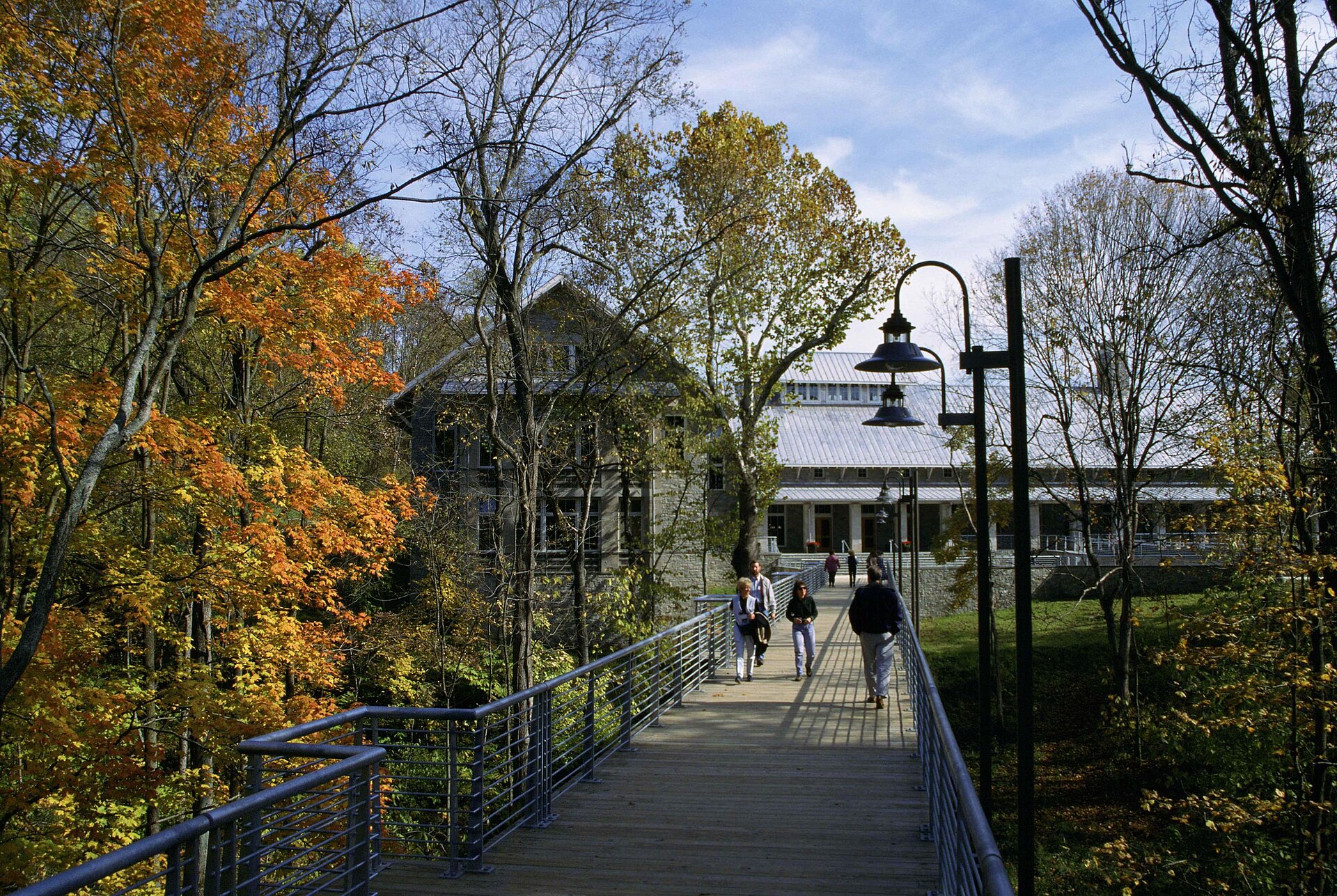
Why the world looks “fake”
Contrast effects are powerful. After intense novelty, neutral stimuli can feel flat or unreal until prediction systems recalibrate. You also may be mildly dissociated in a benign sense - attention split between replaying freefall and navigating steps. That split is common, not a personal glitch.[1][4]
Social mismatch adds flavor. Friends want instant recap; you may only have fragments. Staff are already resetting for the next guest. The platform’s emotional weather has moved on while yours is still mid-storm clearing.
How to walk back well
Slow your feet on purpose. Drink water when offered. Sit if you feel floaty. Delay big decisions - expensive upsells, confrontations, complicated logistics - for thirty calm minutes.[2] If media is ready, watch once for joy, then pocket the phone so your nervous system can finish landing without a second screen freefall.
Name the feeling out loud: “This walk feels unreal.” Labeling reduces the secondary fear that something is wrong with you. Nothing is wrong; you are between intensities.[4]
Make space after the site
A quiet snack, a journal line, or a gentle debrief with one person beats an immediate packed itinerary. The surreal corridor is a gift if you do not sprint through it - proof that your life just included a chapter ordinary sidewalks cannot write.[3]
The walk back feels surreal because you are returning to gravity’s default settings with a brain still lit for exception. Honor the transition. Freefall ends in seconds; arrival takes a little human time - and that time is part of the jump.[1][2]
Sources
- Medical News Today - adrenaline rush and comedown (2021)
- Strong Viking - how long an adrenaline rush lasts (2024)
- AJ Hackett Kawarau - post-jump guest flow on a classic bridge (2026)
- APA - stress recovery and returning to baseline (2024)
Image credits
- Photo: SeppVei / Wikimedia Commons (CC0)
- Photo: Ryan Hagerty / Wikimedia Commons (Public domain)