Jump day is mostly waiting and paperwork, then a short violent bit in the middle. Knowing the arc stops the “what happens next?” panic from stacking on top of height fear.
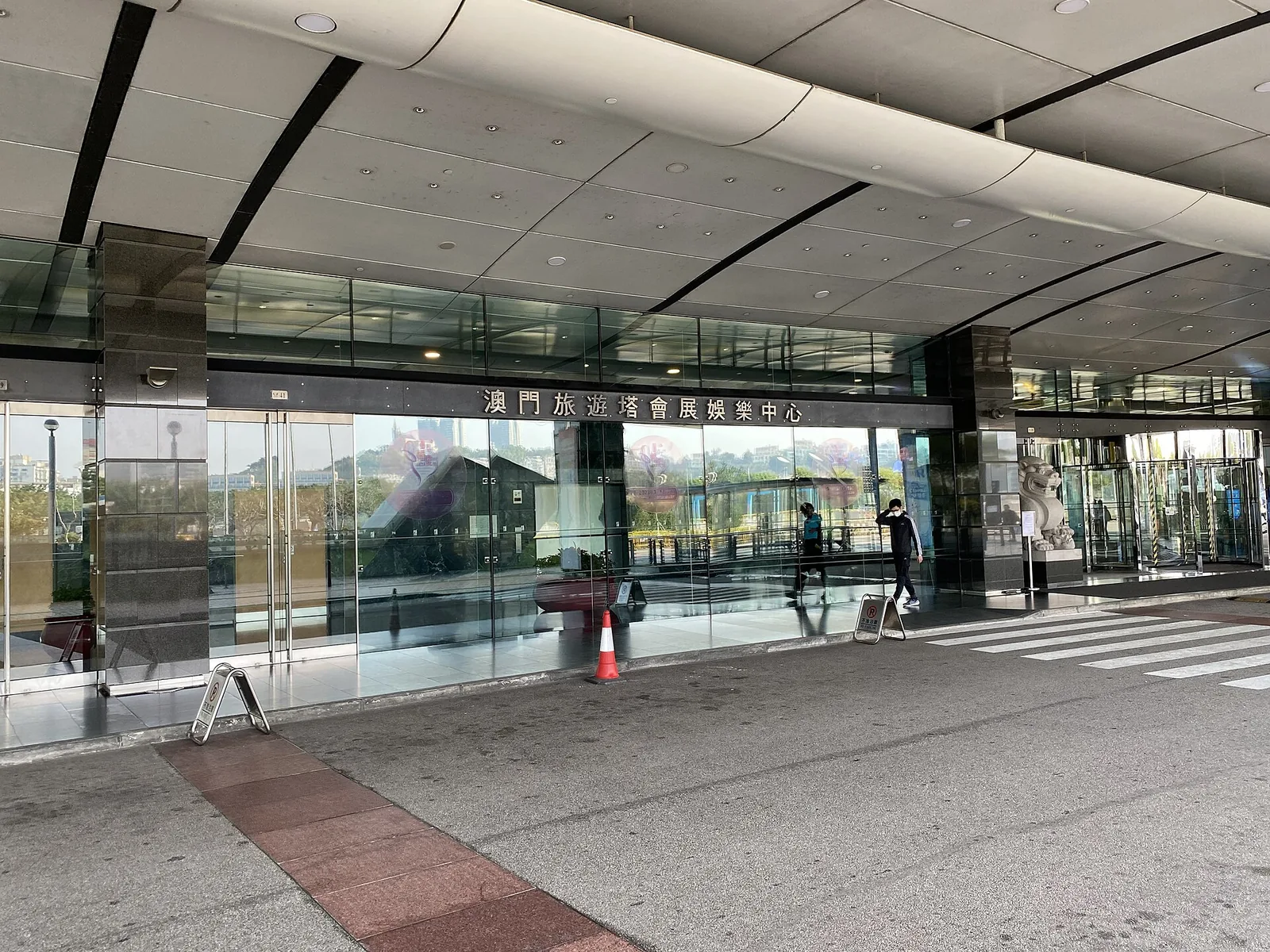
Arrival and check-in
Show up early. Confirm booking. Waivers. Medical questions. Weight. Some sites take payment or media upsells here; others fold media into the ticket.[1]
If you feel off—illness, hangover, second thoughts—say so before you are deep in the process. Walking away early is cleaner than a platform fight with your own nervous system.
Briefing
Someone explains the jump, body position, and what recovery looks like. It may feel repetitive. Listen anyway. Rules differ by site: cameras, shoes, who goes first, how they get you back.
Serious operators talk weight limits, weather holds, and medical exclusions without apology.[2] If the brief is all hype and no process, treat that as data.
Harness and wait
You get fitted. Ankle setup, body harness, or both depending on the product. Connections get checked more than once before you leave the platform.[2]
Then you wait. Queue length depends on weather, groups, and how many people freeze. Watching someone else go first helps some people. Others should look at the horizon and keep their mouth shut.
Crew that looks methodical and a little bored: good. Crew that looks chaotic: leave if you still can.
Platform to freefall
Final check. Short commands. Countdown. You step or dive. Decent sites do not push unless you asked for that help.[1]
Freefall is loud and short. Then the cord loads and stretches—designed deceleration, not a brick wall stop.[1] You bounce. Orientation flips. Arms and legs do dumb things. Normal.
More on the last seconds: seconds before a bungee jump.
Recovery
Methods vary. Some sites pull you back to the platform. Others lower you to a raft, ground crew, or secondary area. Weather can change the method.[1] Follow instructions; do not invent your own climb-out plan.
After unhook: shaky legs, fast talk, dumb grin or blank stare. Sit if they offer. Drink water. Do not rewrite history into “I wasn’t scared.”
Weather and delays
Rain often still runs. Strong wind, thunder, lightning, and bad visibility shut things down more often.[1] A delay is annoying. Operating outside limits is worse. Plan a flexible afternoon.
Bottom line: check-in, brief, harness, wait, short platform sequence, fall, bounce, recovery, shakes. Fear is scheduled. Surprise logistics do not have to be.
Sources
- AJ Hackett Bungy NZ: FAQs (day-of flow, recovery, weather, no push)
- AJ Hackett Bungy NZ: Is bungy jumping safe?
- Harvard Health: Understanding the stress response
- AJ Hackett Kawarau Bridge Bungy (site operations context)
Image credits
- Photo: Steve & Jem Copley / Wikimedia Commons (CC BY-SA 2.0)
- Photo: LN9267 / Wikimedia Commons (CC BY-SA 4.0)