Skip to content

Winter Bungee Jumping: Jumping in Snow and Cold Conditions

Experience

Winter bungee is not summer bungee with a scarf. Cold air sharpens every sensation: the metal of the platform bites through gloves, the valley below can be a white silence, and your body negotiates both fear and thermoregulation at once. Some of the most cinematic freefalls on Earth happen when trees are bare and breath is visible - if the operator is open, the wind is honest, and you dress like someone who understands hypothermia is not a personality trait.

Seasonality is real. Alpine and high-latitude sites often concentrate operations in warmer months; Swiss-oriented guides, for example, commonly describe spring-to-autumn windows for major jumps, with weather dependence always in play.[4] That does not mean freefall vanishes when the calendar flips. Crane and bridge products in maritime climates sometimes run year-round; special winter events appear; southern-hemisphere “winter” lands on different months. The rule is operational, not poetic: jump only when the company says the deck, the cord system, and the rescue plan are winter-ready.

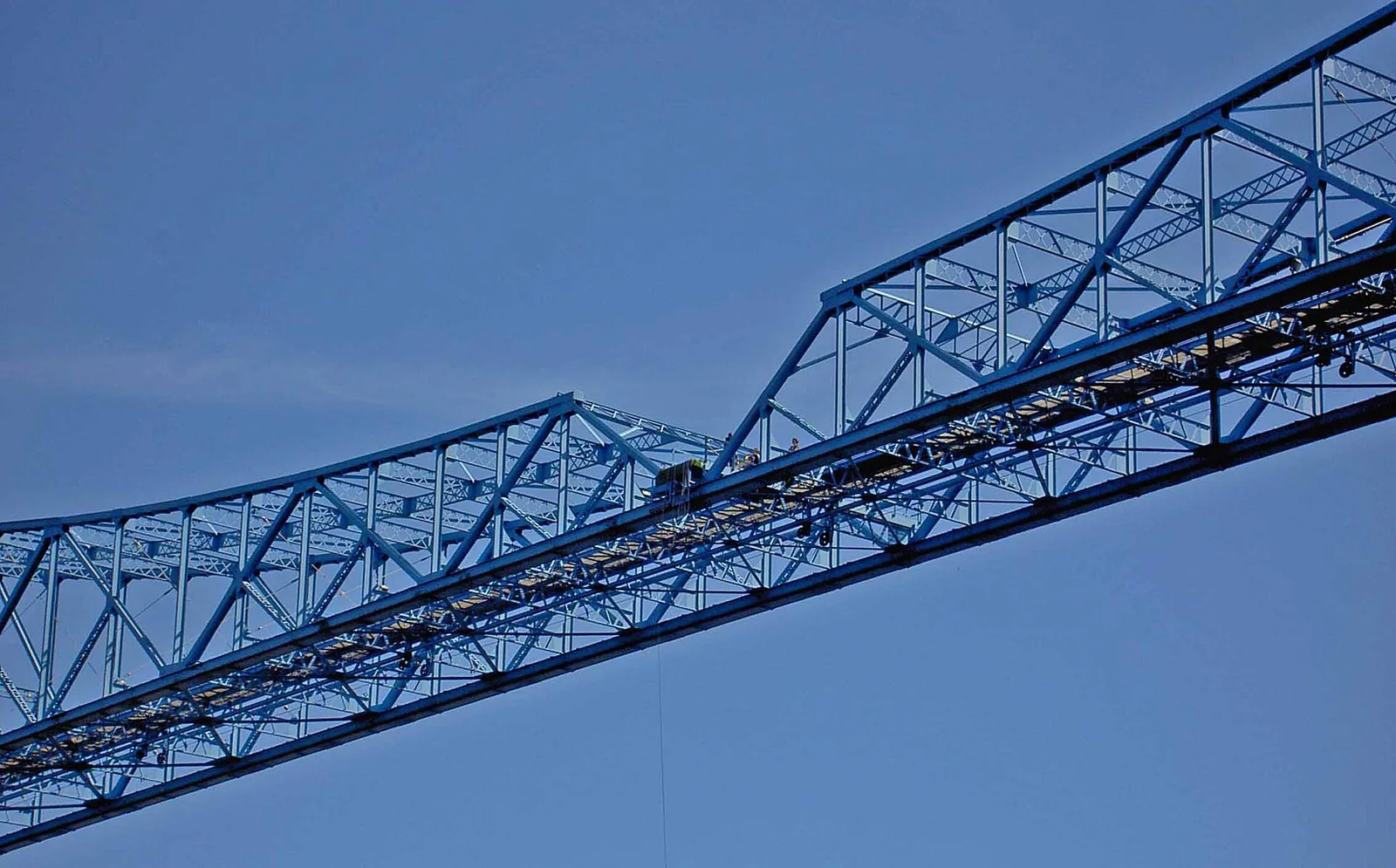
Bungee jumping platform or bridge^ geograph.org.uk photograph
Photo: Steve Fareham / Wikimedia Commons (CC BY-SA 2.0)

Clothing is the skill most first-timers underestimate. You want secure layers that will not migrate over your face in freefall, gloves you can remove for harness checks if asked, and shoes with grip for icy grate. Avoid scarves that can tangle, puffy jackets that change your effective profile in unpredictable ways, and cotton base layers that stay wet against skin. Many operators still enforce standard medical and intoxication rules in any season - pregnancy exclusions and no alcohol or drugs are common across serious companies.[1][2][3] Cold does not create exceptions; it adds constraints.

What about the cord and the body? Elastic systems are engineered with temperature in mind by competent operators; this is not a DIY physics experiment. Your job is not to second-guess modulus charts on the platform. Your job is to arrive warm, fueled, and honest about conditions like Raynaud’s, asthma triggers, or cardiac history that cold can aggravate. If your fingers cannot operate a carabiner in practice, you should not be freelancing adjustments - staff handle connections. Shivering hard enough to chatter through a briefing is a reason to reschedule, not to “tough it out.”

Winter light is a gift. Low sun, long shadows, snow-muted soundscapes - photographs look like movie stills, and the emotional afterglow can feel cleaner than a sweaty August queue. Build margin for road closures, frozen parking lots, and shorter daylight. Bring a dry change of clothes for after retrieval. Hot drinks are recovery gear. So is patience when staff pause operations because a squall turns the freefall corridor into a wind tunnel.

If you are choosing between a winter date and a summer date for the same site, ask the operator which season has more weather holds, how clothing interacts with their harness, and whether water landings (where offered) are even conceivable in cold months - often they are not. Prefer companies that sound bored by safety questions; boredom means repetition, and repetition means professionalism.

Jumping in snow is freefall with the volume knob of the world turned down. Respect the cold, dress with intent, and treat cancellations as the system working. When the countdown hits zero and white air rushes past, you will understand why some jumpers chase winter slots on purpose: not because it is harder, but because it is quieter, sharper, and entirely unforgettable.

Cold changes group dynamics. Friends who planned a festive winter trip may push each other harder to “make the day count” after expensive travel. Resist that script. A cancelled jump in a snowstorm is not a failed vacation; it is a crew protecting a corridor you cannot see from the cafe. Agree before you leave home that weather vetoes are final, refunds or rebooks will be handled calmly, and nobody’s worth is measured in freefall metres per dollar spent.

Platform craft in winter includes micro-habits: keep gloves clipped so they do not drop into the void; clear snow from spectacle lenses before the countdown; tell staff if you are on beta blockers or other meds that alter heart-rate feedback; and warm up with light movement so your first explosive motion is not the step into air. If the operator offers indoor briefing space, use it fully. Do not stand outside performing toughness while your hands go numb and useless for harness cooperation.

There is a special beauty to post-jump winter silence. Steam rises from the retrieval zone. Snow mutes the valley. Your laugh sounds louder than it did in summer. Capture that without demanding a party. Hot soup, dry socks, and a slow walk may honor the day better than a loud bar. Winter freefall is a niche joy precisely because it asks for maturity: technical respect for cold, emotional respect for fear, and the patience to let the season set the terms without treating cancellations as personal insults.


Sources

  1. UK Bungee - Health and age restrictions (2025)
  2. Bungee Jump Scotland - Health and safety (2025)
  3. 007 Bungy - Safety prerequisites (2025)
  4. Tour Switzerland - seasonal bungee notes (2026)

Image credits