Same basic idea — elastic cord, freefall, rebound — different stages. A fixed bridge, a mobile crane, and a hot-air balloon change logistics, scenery, weather risk, and how much "tourism product" maturity you can expect.
Pick the stage for the day you want, not the brochure skyline.
Bridge bungee (the commercial classic)
Fixed structure, known height, permanent or semi-permanent platform, repeatable retrieval. You walk out. Dread builds in steps. Views are usually a gorge, river, or harbor.
Sites like Kawarau Bridge (43 m / 141 ft) turned bridge jumping into a scheduled tourism product: briefings, weight checks, water-touch options when conditions allow, spectator areas.[1] High bridge products such as Bloukrans (~216 m commercial bridge bungy) are the scale end of the same idea.[2]
Strengths: consistency, iconic photos, mature playbooks at reputable operators.
Limits: you go where the bridge is; wind on an exposed span can shut the day down; queues are real in peak season.
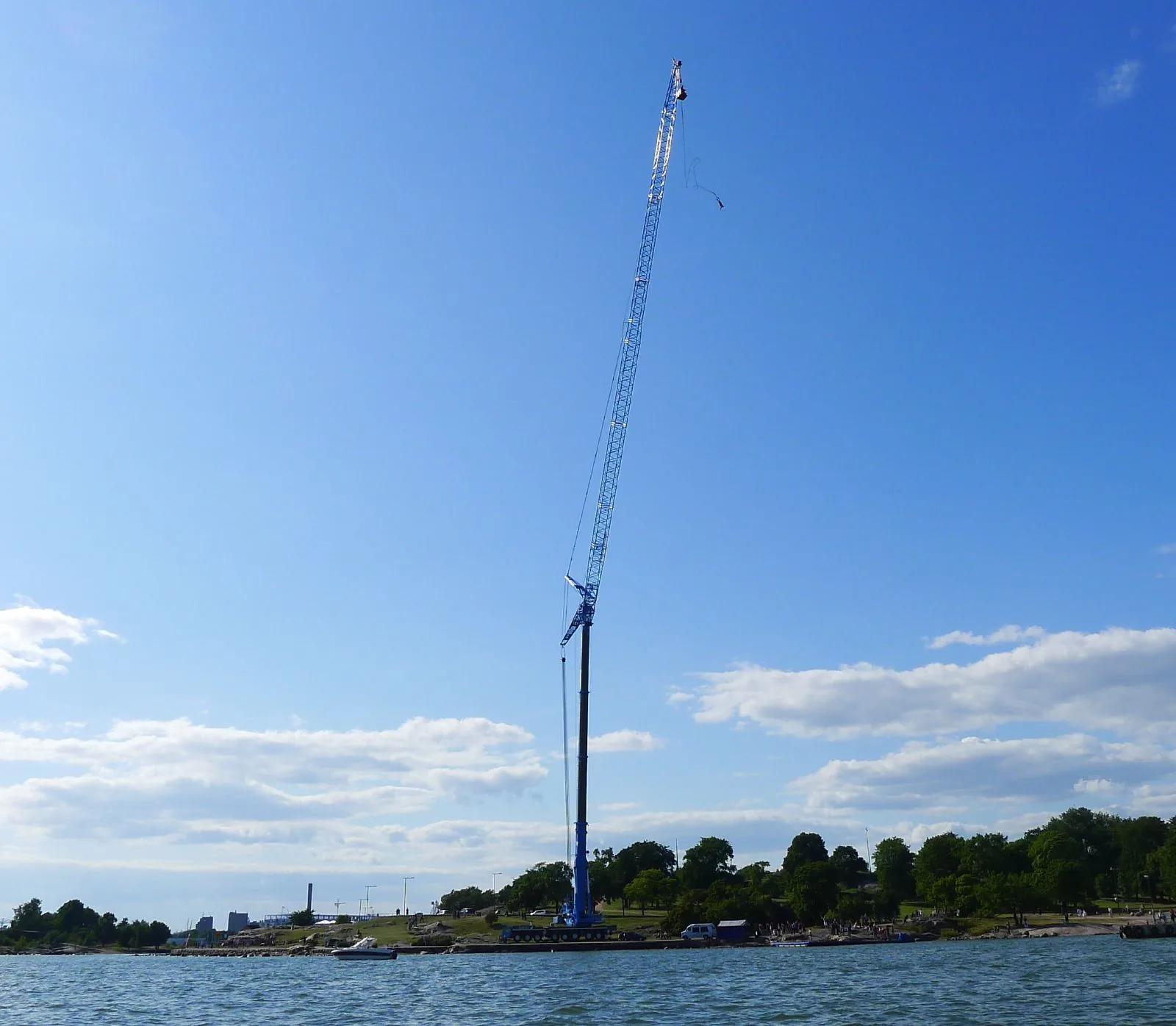
Crane and mobile tower bungee
A crane or temporary tower brings the sport to festivals, fairs, and cities without a canyon. Height is engineered and controlled; the "view" is often parking lots and skyline, not a river gorge.
Quality varies hard. Some mobile ops run like serious adventure sports outfits. Others look like carnival add-ons. Ask about daily inspections, staff training, insurance, and whether you get a body harness plus ankle system with clear dual-check process — not just a vibe.[3]
Strengths: access without a road trip to a gorge; can be cheaper or walk-up.
Limits: less romance, more wind exposure on open sites, harder to research reputation if the brand is temporary.
Balloon bungee
Rare as a tourist product compared with bridges. Historically and in specialty setups, jumpers have left from baskets or balloon-supported platforms. You trade fixed geometry for a floating exit, more weather sensitivity, and fewer standardized "book online for 2pm" packages.
Treat balloon products as specialist ops. Confirm how the cord is attached, how recovery works, and what weather stops the flight. Do not assume carnival reverse-bungee marketing is the same sport — reverse/slingshot rides are a different machine entirely.[4]
How to choose
- Want the classic story and photos: bridge at a named operator with public weight and medical rules.
- Want convenience in a city or festival: crane only if you can verify the operator is not improvising safety.
- Want novelty: balloon or specialty only after you read the actual procedure, not the tagline.
Weather hits exposed bridges and balloons hardest. Rain alone often still runs at big sites; strong wind and lightning are more likely to cancel.[5]
Bottom line: the cord physics rhymes; the day does not. Bridge = tourism infrastructure. Crane = mobile access with uneven quality. Balloon = rare and weather-picky. Book the stage you researched.
Sources
- AJ Hackett: Kawarau Bridge Bungy product page
- Bloukrans Bungy / Face Adrenalin: bridge bungy overview
- Ohio Admin. Code 901:9-1-29: bungee cord specifications (commercial standards example)
- Wikipedia: Reverse bungee (distinct from classic freefall bungy)
- AJ Hackett Bungy NZ: FAQs (weather, operations)
Image credits
- Hero image: site asset for bridge-crane-balloon-bungee-styles
- Inline: Timo Newton-Syms / Wikimedia Commons (CC BY-SA 2.0)