People say "bungee" for half a dozen different thrills. Some are a step off a platform into freefall on elastic cord. Some are giant swings. Some are fairground slingshots that launch you upward in a cage. Knowing which product you booked saves arguments at the ticket desk.
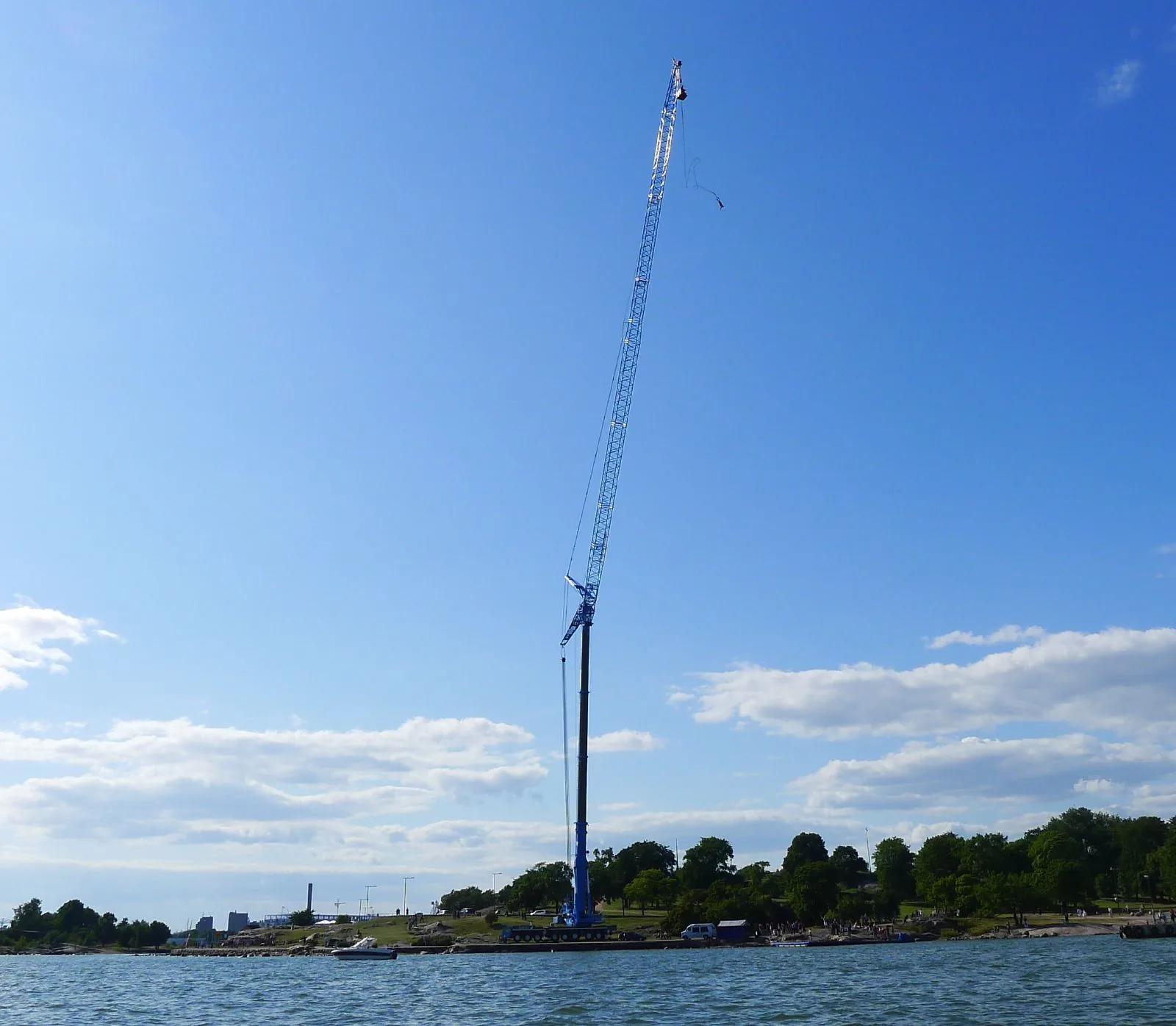
Classic freefall bungy
Elastic cord, human exit from a bridge, crane, tower, or specialty platform, freefall then rebound. Ankle and/or body harness with multiple attachment points at professional sites. This is the default meaning of commercial bungy jumping since the late-1970s modern era popularized by groups like the Oxford Dangerous Sports Club and later tourism operators.[1]
Stages change the day: fixed bridges (Kawarau, Bloukrans), high canyon platforms (Nevis), urban harbor bridges, mobile cranes. Physics rhyme; logistics do not.
Solo vs tandem
Solo is standard. Tandem — two people on one system — exists on select products with combined weight caps and max weight-difference rules (commonly 30 kg difference at major NZ sites).[2] See our solo vs tandem guide.
Bungy vs swing vs guided descent
Operators sometimes sell all three on one campus. AJ Hackett's FAQ draws the line cleanly: bungy uses elastic cords that stretch and rebound; a swing uses cables/rope for a pendulum arc without the bounce; a SkyJump-style product is a controlled guided descent that feels progressive rather than freefall.[2]
If you want freefall and bounce, do not accidentally book the swing because the photo looked similar.
Reverse bungee / catapult / slingshot rides
Fairground reverse bungee launches a passenger car upward on tensioned elastic ropes — often 3–5 G at release — rather than starting with a platform step into freefall.[3] Adventure sites may also brand a harnessed "catapult" launch that is still closer to bungy playground products than a dual-tower carnival sphere. Read the technical description.[2]
More detail: reverse bungee for tourists.
Other labels you will see
- Water touch: same freefall bungy with a deeper set when river level and crew allow — not guaranteed.[4]
- Night jumps: same systems, different sensory load and weather risk; rarer; confirm lighting and recovery.
- Balloon or specialty exits: uncommon tourist products; treat as specialist ops with extra weather sensitivity.
Bottom line: freefall bungy, swing, guided descent, and reverse/slingshot rides are different products that share marketing vocabulary. Match the booking page to the sensation you want, then check weight and medical rules for that product only.
Sources
- How Products Are Made: modern bungee jumping history note
- AJ Hackett Bungy NZ: FAQs (bungy vs swing, tandem, catapult listed)
- Wikipedia: Reverse bungee / catapult rides
- AJ Hackett: Kawarau Bridge Bungy (classic freefall product, water touch)
Image credits
- Hero/inline: site assets shared with bridge-crane-balloon styles (Timo Newton-Syms / Wikimedia Commons CC BY-SA 2.0)