Most commercial jumps are solo. Tandem exists at some sites — two people on one system — with hard combined-weight and weight-difference limits. Pick the format before you check in, not while you're on the lip.
Read the operator's product page. "Tandem" in a photo package is not the same as two jumpers leaving the deck together.[1]
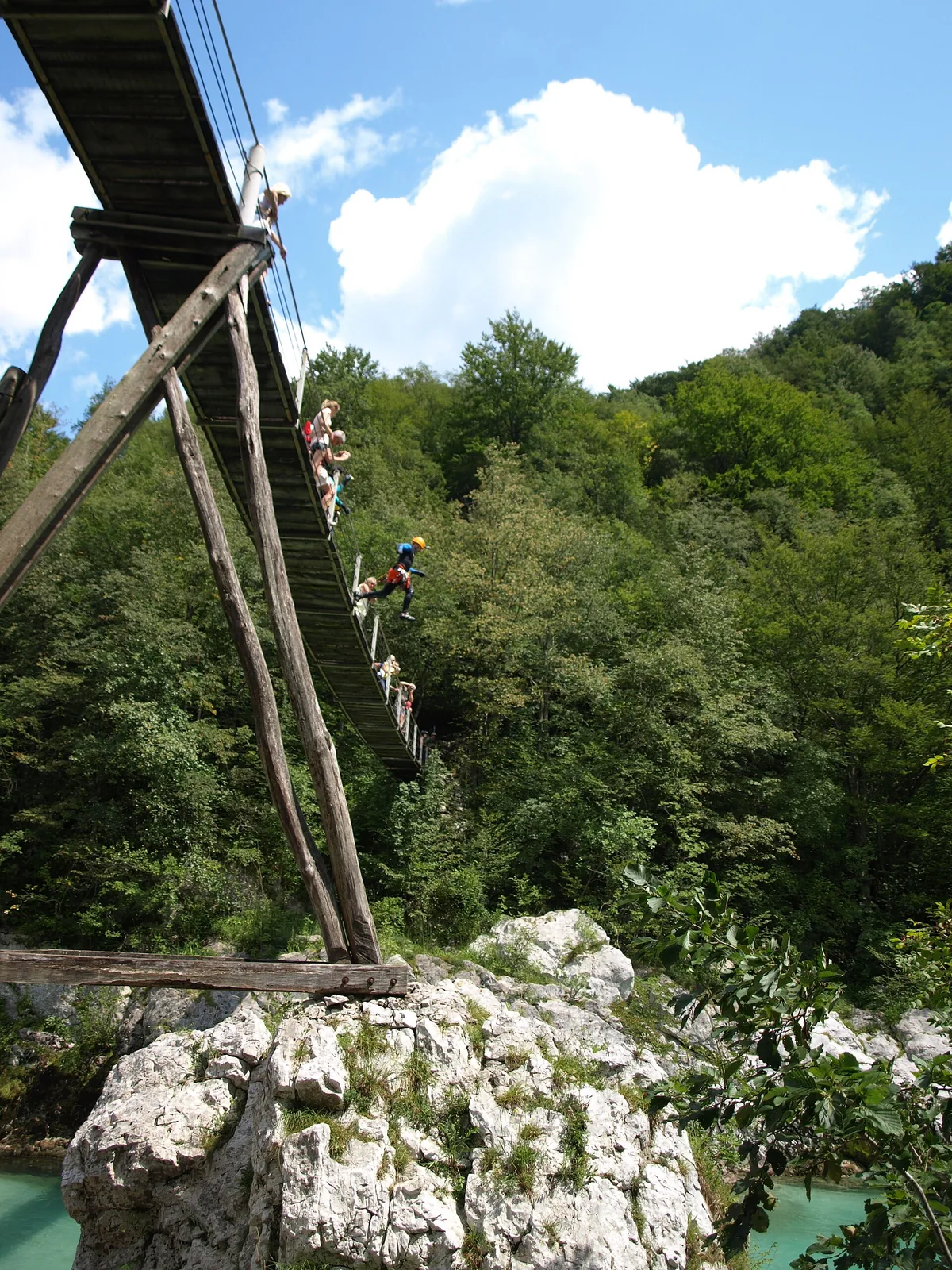
What solo jumping actually is
You and the cord. One harness setup, one countdown, one freefall. That is the default at most professional sites. Scheduling is simple: your weight class, your medical status, your nerve timeline. Nobody has to match you.
The downside is obvious. There is no second person at the edge except the crew. If isolation makes fear louder for you, solo can feel stark. For a lot of first-timers, that starkness is the point.
What tandem jumping actually is
True tandem means two jumpers leave together on a shared cord system (or a tandem-rated configuration). You still freefall and rebound. You do not get a free pass on fear — you get a shared edge and shared logistics.
At AJ Hackett Bungy NZ, tandem is offered on products including Kawarau Bridge Bungy, Taupō Bungy, and Auckland Harbour Bridge Bungy. It is not offered on every product (Nevis Bungy is a solo-style high jump product line, for example).[1][2]
Limits are real. On Kawarau Bridge Bungy, tandem jumpers must not exceed a combined 235 kg, and the weight difference between them must not exceed 30 kg. Each jumper still has to sit inside the individual range (there 35–150 kg, with river-level caveats).[2] FAQ-level rules: max 30 kg difference between tandem participants; combined limits apply; crew make the final call on the day.[1]
Who should go solo
Go solo if you want an undiluted first jump, if your partner is outside the weight window, if only one of you is medically cleared, or if the site you booked does not sell tandem on that product. Go solo if one of you freezes hard and the other will resent being stuck mid-setup.
Also go solo if "tandem" was mostly peer pressure. Sharing a cord does not fix mismatched nerve timelines.
Who tandem can make sense for
Tandem can work for couples or friends who already trust each other, both clear the weight rules, and both want the same product on the same day. It can calm the edge for people who freeze alone but can still move with someone next to them. It is a bad idea if one person is performing bravery for the other.
Operator coaching still treats tandem as a real jump, not a hug with a view. Same medical disclosure. Same "we don't push you off" culture at reputable sites.[1]
How to decide before the platform
- Confirm the product actually offers tandem — not just a swing or photo bundle.
- Check individual and combined weight ranges, and the max difference (30 kg is a common published figure at major NZ sites).[1][2]
- Email or call if either of you is near a limit, injured, or on meds the medical list cares about.
- Agree who backs out if either person is a no on the day — and that backing out is allowed.
If the site is vague about tandem rigging or weight math, treat that as a red flag and pick another operator.[3]
Bottom line: solo is the standard commercial jump. Tandem is a real product at some bridges and platforms, with hard weight rules. Book the one you both fit — not the one that sounds romantic in a group chat.
Sources
- AJ Hackett Bungy NZ: FAQs (tandem, weight limits, cameras)
- AJ Hackett: Kawarau Bridge Bungy (tandem weight rules)
- AJ Hackett: Top tips for a bungy jump (tandem experience note)
- AJ Hackett: Taupō Bungy (solo or tandem option)
Image credits
- Hero image: site asset for solo-vs-tandem-bungee-jump
- Inline: Marjolein from The Netherlands / Wikimedia Commons (CC BY 2.0)