Bad weather is the most common reason a bungee jump doesn’t happen on the day you planned. It rarely means the jump is dangerous for you personally. It means conditions are outside the limits the operator set for itself. This guide explains what weather stops a jump, how refunds and rebooking usually work, how far ahead to book, and how to plan a trip so a cancelled jump doesn’t ruin it.
What weather stops a bungee jump?
Rain doesn’t always stop a jump. Policies differ between sites:
- AJ Hackett in New Zealand says it operates in most weather, including rain [1].
- Skypark Cairns advertises that it jumps “rain or shine” [2].
- Shearwater at Victoria Falls Bridge stops jumping during rain and high winds [3].
Check the policy of the site you are booking rather than assuming.
Wind is the main limit. Strong or gusty wind can push a jumper off the intended path, toward the structure. Illinois requires every site to state its maximum wind speed and direction in its operating manual. It also makes the decision to operate the responsibility of the equipment operator and the jump master [4]. Other regulators and operators set their own limits, but the principle is the same: the crew decides, and they won’t bend the limit for your schedule.
Other conditions can stop or change a jump:
- Thunderstorms, since you would be standing on a high metal structure.
- Poor visibility, which makes it hard for the crew to see the landing zone and signal each other.
- High water. At Kawarau Bridge, the maximum jumper weight drops from 150 kg to 130 kg when the river is high [5].
A crew that cancels in poor conditions is doing its job. A crew that jokes about jumping through a storm is a warning sign. See how to choose a reputable bungee operator.
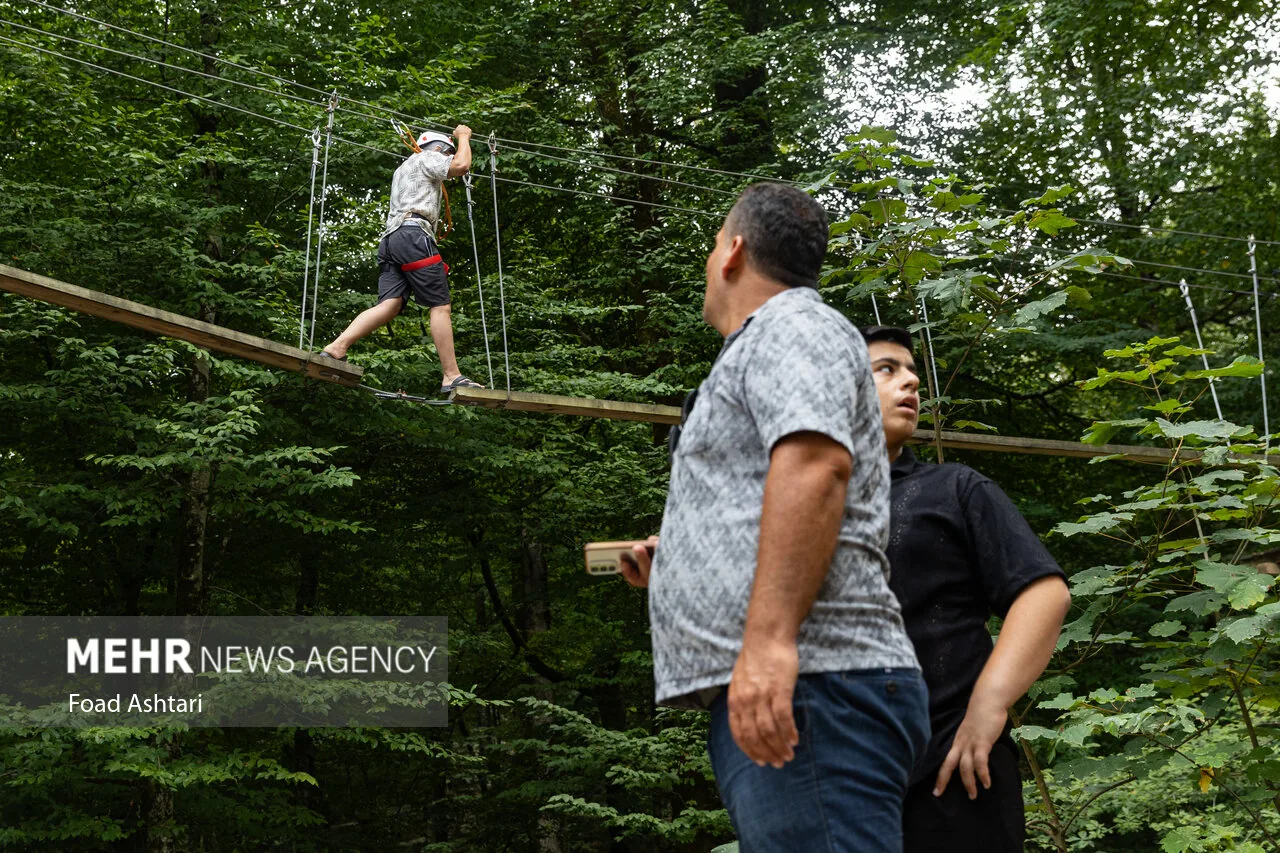
What happens to your money if the jump is cancelled?
The key difference is whether the operator cancels or you do.
| Situation | AJ Hackett New Zealand | Shearwater, Victoria Falls |
|---|---|---|
| Operator cancels for weather or safety | Full refund or free reschedule, or a transfer to another activity [1] | Check your booking terms |
| You cancel well ahead | More than 48 hours before: 100% refund, minus a 1.99% card fee [1] | Free cancellation up to 24 hours before [3] |
| You cancel late | Less than 48 hours before: non-refundable [1] | Check your booking terms |
| You turn up and decide not to jump | Treated as a no-show and generally non-refundable [1] | Check your booking terms |
One consequence of these rules is that you shouldn’t cancel just because the forecast looks grey. If the site is open and you don’t turn up, you usually lose your money. If the operator cancels, you usually get a refund or a new slot. When the weather is borderline, call the operator on the morning of your jump.
How far in advance should you book?
It depends on where and when you are going.
- Queenstown in summer. AJ Hackett strongly recommends booking ahead. Its busy season runs from December to February, with peak demand from 15 December to 15 January. The busiest days are 30 December to 2 January [1]. Book those dates before you travel.
- Some operators reward early booking. Whistler Bungee, for example, offers 15% off bookings made 15 or more days ahead [6].
- Book early and adjust later. Because of AJ Hackett’s 48-hour cutoff, you can book early, watch the forecast and still move your slot for free until two days before [1].
Walk-up or book online?
Booking online fixes your slot, lets you read the cancellation terms in advance, and lets you plan transport. For a remote site, such as Nevis, transport is part of the booking.
Turning up without a booking can work outside peak season at sites near town. However, you risk a long wait or a full day, and the slots are often gone in peak weeks. If you are only in town for a day or two, book.
When is the best time of year to bungee jump?
- Queenstown and other alpine towns. Summer (December to February) brings temperatures of 20–30°C and daylight from about 5am to 10pm, which gives you the most chances to rebook [7]. It is also the busiest time [1]. Outside summer it is quieter, but the days are colder and shorter.
- Waterfall and gorge sites. If the site stops for rain, as Victoria Falls Bridge does, a wet-season trip carries more risk of a cancelled jump [3].
- Tropical sites that jump in rain, such as Cairns [2], are less affected by showers. Storms can still cause holds.
- Time of day. An early slot leaves the rest of the day free if the jump is held and rescheduled.
Planning a trip around a jump
- Schedule the jump early in the trip, not on your last day, so you have time to rebook.
- Don’t book it right after a long flight. If your flight is delayed, you could miss a slot you can no longer cancel for free. Airlines have their own rules on delays and compensation. The UK Civil Aviation Authority explains passengers’ rights for flights it covers [8].
- Check your travel insurance. Many policies treat bungee as an adventure activity. See travel insurance for bungee jumping.
- Have a plan B for the day. If the jump is cancelled, ask whether the operator can move you to another site or activity [1]. Have a backup plan for the rest of the day so a cancellation doesn’t spoil the trip.
On the day
- Check for messages from the operator before you set off, and call if conditions look borderline.
- Dress for the weather in clothes that suit a harness. See what to expect on your first bungee jump day.
- If the crew puts the jump on hold, wait it out rather than arguing. They can’t change the wind.
FAQ
Can you bungee jump in the rain?
Often, yes. AJ Hackett in New Zealand operates in most weather, including rain, and Skypark Cairns jumps “rain or shine.” Some sites, such as Victoria Falls Bridge, stop for rain [1][2][3].
What wind speed cancels a bungee jump?
There’s no single figure. In Illinois, each site must set its maximum wind speed and direction in its operating manual, and the jump master and operator decide whether to jump [4].
Do you get a refund if a bungee jump is cancelled for weather?
Usually. AJ Hackett offers a full refund or a free reschedule when it cancels for weather or safety [1].
What if I change my mind on the day?
At AJ Hackett, deciding not to jump on the day is treated as a no-show, which is generally non-refundable [1].
How far ahead should I book a bungee jump in Queenstown?
In summer, book before you travel, especially between 15 December and 15 January. The busiest days are 30 December to 2 January [1].
What is the best time of year to bungee jump in Queenstown?
Summer (December to February) has warm temperatures and long days, but it is also the busiest season [7][1].
Sources
- AJ Hackett Bungy New Zealand: FAQs (weather, refunds, busy season)
- Skypark Cairns by AJ Hackett: Bungy (“rain or shine”)
- Shearwater Victoria Falls: Victoria Falls Bridge adventures (rain and wind stops, 24-hour cancellation)
- Illinois Administrative Code tit. 56, § 6000.340: Bungee jumping (wind limits in the operating manual)
- AJ Hackett: Kawarau Bridge Bungy (weight limit when the river is high)
- Whistler Bungee (open every day, advance-booking discount)
- Destination Queenstown: Summer in Queenstown (temperatures and daylight)
- UK Civil Aviation Authority: Flight delays and cancellations
Image credits
- Hero image: site assets
- Photo: Fouad Ashtari / Wikimedia Commons (CC BY 4.0)