Two different "highs" get mixed up: how far you fall, and how high above sea level you are standing. Only the second is thin-air physiology.
High-altitude bungee jumping considerations matter when the site itself sits at elevation that can trigger altitude illness — roughly when sleep and time are spent above about 8,000 feet (2,500 m), per travel-health guidance. A 200 m commercial jump from a coastal tower is scary; it is not the same problem as arriving from sea level and immediately stacking hard effort at elevation.[1][2]
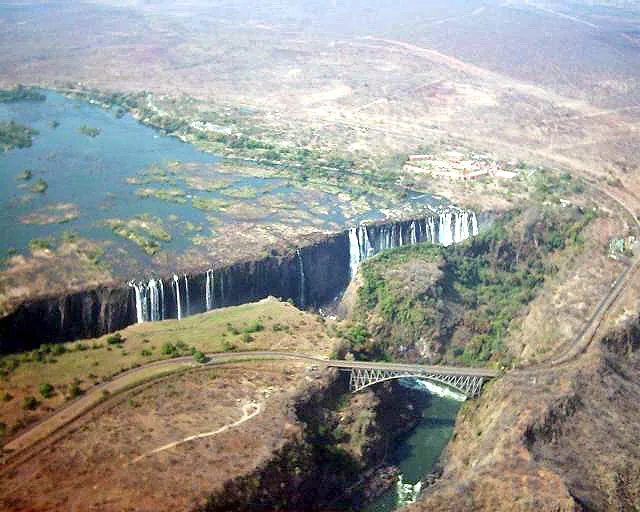
Platform height vs elevation
Marketing loves freefall meters (for example, well-known high commercial tower jumps). That number is drop distance. Elevation is the map height of the town and platform. You can have a huge freefall near sea level and a shorter freefall on a mountain bridge. Ask which problem you are solving: fear of fall, or oxygen and acclimatization.
Thin-air basics that still apply on jump day
CDC travel guidance: ascend gradually when possible; avoid sleeping above about 9,000 feet (2,750 m) in a single jump from low elevation; once high, limit further sleeping-elevation gains; consider medical advice on prevention meds if abrupt ascent is unavoidable; go easy on alcohol early at altitude.[1][2]
Altitude illness can include headache, nausea, fatigue, and worse. Being fit does not grant immunity. If you are sick from altitude, you are a bad candidate for a high-adrenaline medical screening conversation — reschedule.
Practical plan for destination jumps
- Build a buffer day after long flights before a high-elevation jump day
- Hydrate; eat normally; sleep
- Follow the operator medical list — heart and lung conditions matter more when air is thin[3]
- Weather still cancels: wind at exposed canyon or tower sites is not optional theater. See weather holds
- Confirm travel medical cover for the destination and adventure sports[4]
Bottom line: separate freefall height from elevation. If the site is high above sea level, acclimatize and do not jump while altitude-sick.
Sources
- CDC Yellow Book: High-altitude travel and altitude illness
- CDC Travelers' Health: Travel to high altitudes
- AJ Hackett Bungy NZ: Medical considerations
- Travel Guard: Adventure travel insurance context
Image credits
- Hero image: site assets
- Photo: Vberger / Wikimedia Commons (Public domain) — inline