Bridge bungee queues are half logistics and half anthropology. You can learn a country’s adventure manners by watching how people wait: quiet focus in one place, carnival banter in another, strict staff choreography almost everywhere that runs a serious deck. Good etiquette is not stuffiness. It is how strangers share a narrow structure without making the crew’s job harder.[1][2]
Universal rules that travel well
Stay in the order staff set. Do not reshuffle the line for “better light” without asking. Keep bags where operators direct so harness stations stay clear. Phones on secure grips or in pockets - a dropped device mid-bridge is a hazard and a sadness. When someone freezes at the edge, lower your voice and your camera; courage is not content you are owed.[1][3]
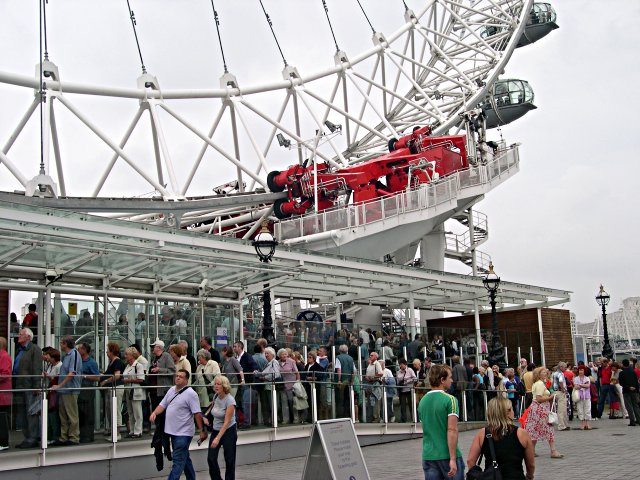
Cheer after the leap if the culture invites it; silence during final checks is almost always appreciated. Follow local photo rules - some sites sell media packages and limit personal filming for safety and commercial reasons.[4]
Regional flavors you may notice
New Zealand heritage bridges often feel efficient and lightly humorous - process-forward, with staff who have seen every coping style.[1] Southern African high bridges can mix long scenic approaches with a more pilgrimage energy; respect the height and the crew’s wind calls.[2] Victoria Falls-area operations may layer border and tourism logistics onto the wait; patience with paperwork is part of manners.[3] Urban tower products can feel more timed and theatrical - arrive when told, listen for elevator and platform cues.[4]
Group etiquette
Designate one organizer. Do not send six people to ask the same weight question. If your friend backs out, escort them kindly without a mock trial in the queue. Groups set the emotional weather for solo travelers nearby; be weather worth standing in.
Intoxication is not a personality - it is a reason to be turned away. Showing up sober is etiquette toward everyone who shares your cord batch and briefing window.[1]
Leave the deck better
Thank the crew. Clear your trash. Give the next jumper eye space on the walk back. Bridge queues around the world run on thin margins of time, weather, and human attention. When you treat the wait as part of the craft, freefall feels less like a fight for your turn and more like a shared ceremony with elastic punctuation.[2][3]
Sources
- AJ Hackett Kawarau Bridge - heritage commercial queue setting (2026)
- Face Adrenalin Bloukrans - high bridge operations (2026)
- Shearwater Bungee - Victoria Falls Bridge experience flow (2026)
- Skypark Macau - urban high bungy guest flow context (2026)
Image credits
- Photo: Jim Champion / Wikimedia Commons (CC BY-SA 2.0)
- Photo: Tony Atkin / Wikimedia Commons (CC BY-SA 2.0)