Queenstown’s reputation as an adventure capital is not a slogan that stuck by accident. It is the product of dramatic geography, early commercial pioneers, airport access, and a town willing to specialize in other people’s adrenaline.[3][1]
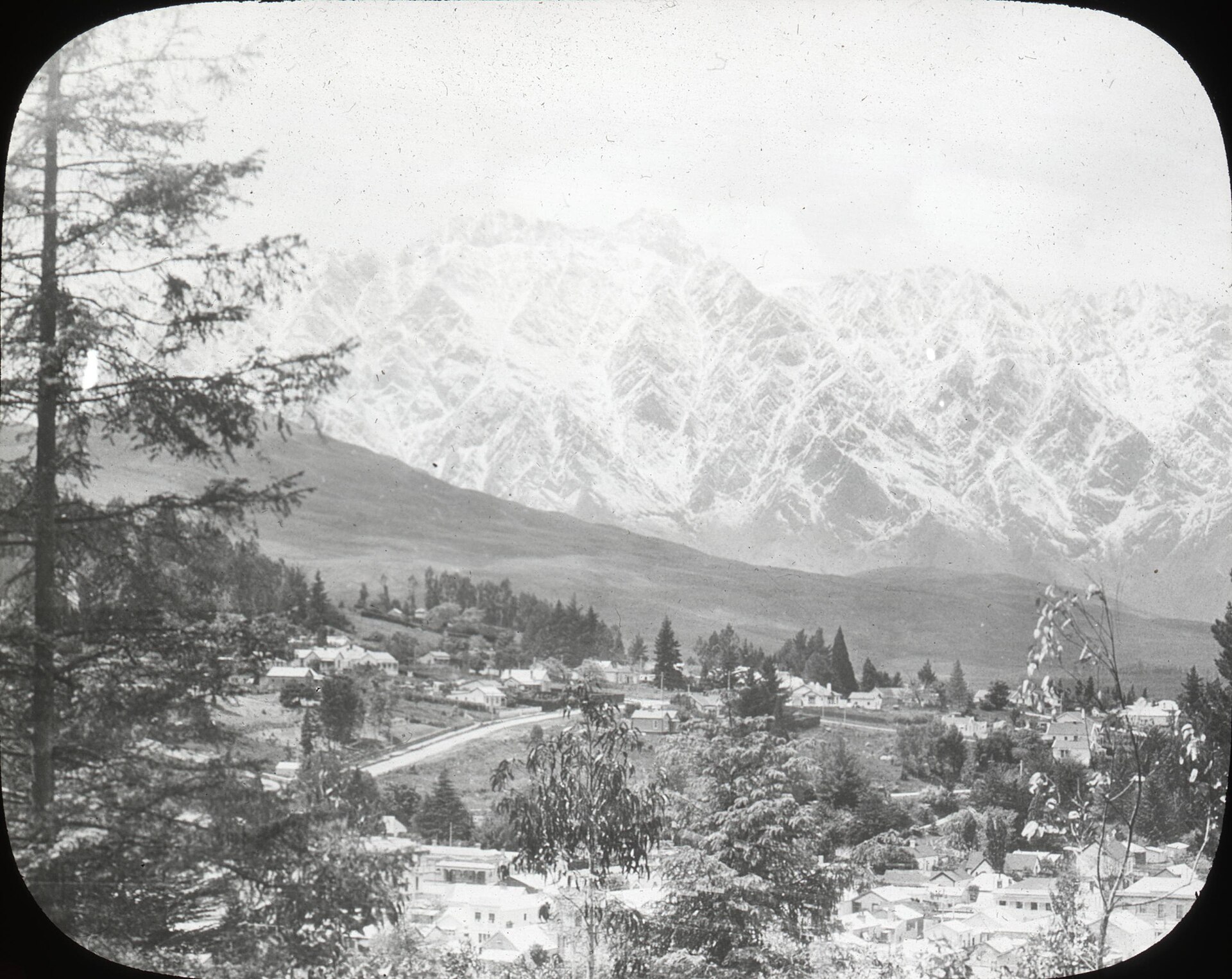
The landscape did half the marketing
Lake Wakatipu, steep relief, and a climate that supports outdoor seasons created a natural stage. Visitors already came for scenery; operators learned to productize the vertical: jumps, swings, jet boats, ski fields in winter, trails in summer.[3]
Bungy as proof of concept
Commercial bungy associated with AJ Hackett and sites such as the Kawarau Bridge helped turn a stunt into a bookable ritual. Once freefall became a ticketed experience with briefings and brand polish, the wider industry had a template: take a raw landscape risk, engineer it, staff it, film it, and sell it globally.[1][2]
That template attracted more operators, more training pathways, and more travelers who arrived with a checklist rather than a vague wish for “something exciting.”
Infrastructure and clustering
Adventure capitals need more than cliffs. They need hostels and hotels, guides who stay for seasons, medical capacity, booking engines, and a social scene that makes waiting for weather tolerable. Queenstown clustered those pieces until the town itself became a search term for thrills.[3]
Culture: competence as brand
The better side of the capital myth is operational seriousness - crews who treat fun as a professional service. The risk side is overcrowding, environmental pressure, and the temptation to prioritize volume over place. Sustainable tourism frameworks exist precisely because success can erode the landscape that created it.[4]
What visitors should understand
You are not buying chaos. You are buying a mature marketplace of risk products. Compare operators, read weather policies, and remember that the “capital” title is a tourism achievement, not a guarantee that every vendor is equal.[1]
Queenstown became the world’s adventure shorthand by pairing sublime terrain with commercial imagination. The freefall you book there sits on decades of brand-building and on mountains that were dramatic long before anyone sold a ticket to jump toward them.[2][3]
Other towns have copied pieces of the model - activity hubs, bungy bridges, adventure streets. Few combine lake, alpine backdrop, and early-mover myth as tightly. That is why the name still travels in backpacker lore and luxury itineraries alike. Visit as a guest of a living industry, not as a conqueror of a theme park that happens to have weather.
If you jump in Queenstown, leave room for the non-ticketed joys: shoulder-season light on the lake, a quiet trail, a meal that is not a countdown. Capitals are loud. The landscape under them is still capable of silence.[4][1]
Sources
- AJ Hackett Bungy NZ - Queenstown bungy heritage (2026)
- Kawarau Bridge Bungy - commercial bungy landmark (2026)
- Wikipedia - Queenstown, New Zealand (2026)
- UN Tourism - sustainable tourism development context (2026)
Image credits
- Photo: Steve Collis from Melbourne, Australia / Wikimedia Commons (CC BY 2.0)
- Photo: OSU Special Collections & Archives : Commons / Wikimedia Commons (No restrictions)