You do not need to grade rubber like a materials lab. You do need a crew that treats inspection as a real job, not a vibe.
How bungee operators inspect cords and platforms is mostly dull repetition: look at the cord before the day starts and again during operations, log jump counts, pull gear that hits life or wear limits, and check rigging, harnesses, and recovery systems daily. Mature commercial operators describe morning inspections and quality systems; some state codes spell the checks out in law.[1][2][3]
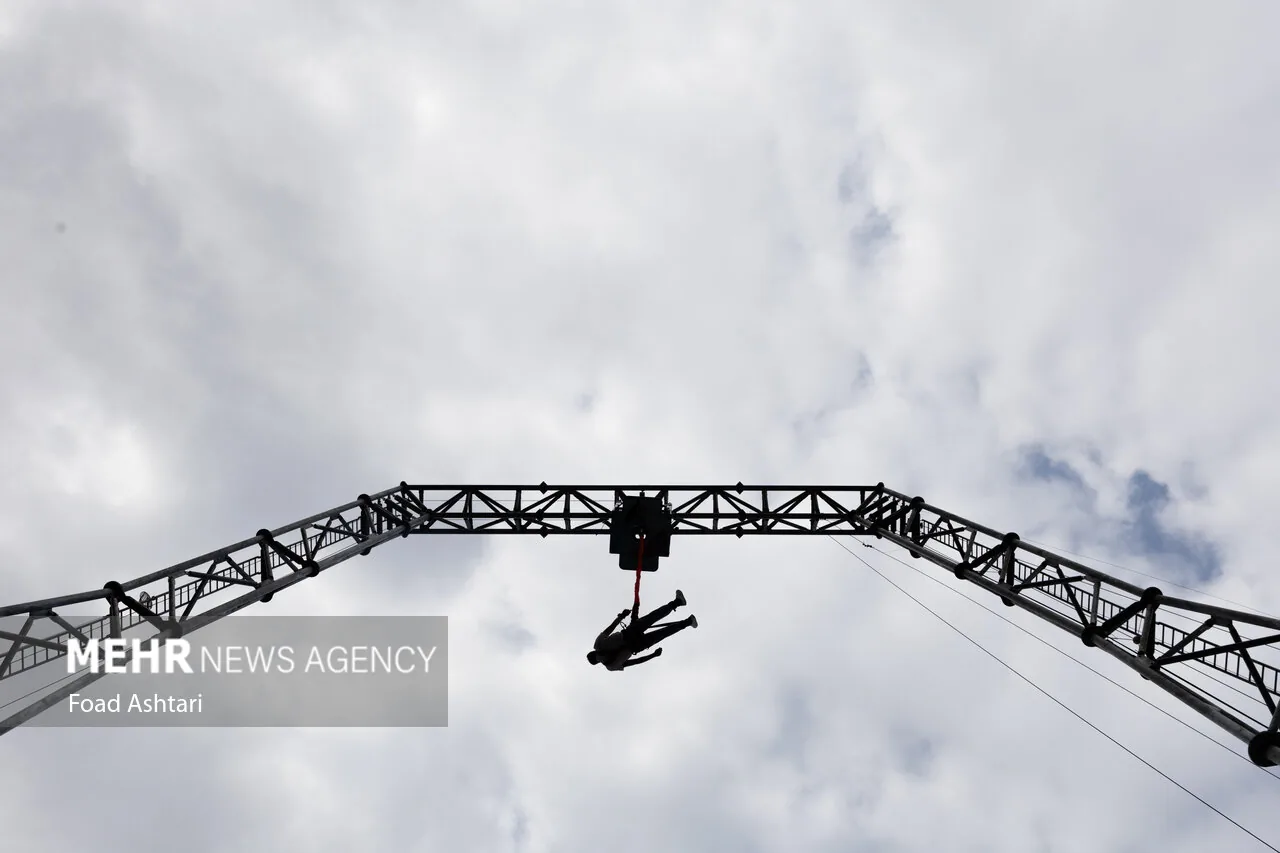
What a serious day looks like
Illinois' bungee section is a useful concrete example of what "inspect" can mean under a permit system (other places use different rules):
- Jump master visually inspects the full length and circumference of the cord for wear before operations and at least four times during the day, with records.
- All jump rigging inspected and tested daily; harnesses, lowering/braking systems, and safety gear checked per the manual and logged.
- Cords withdrawn at manufacturer life, excessive broken threads, chemical exposure, performance change, or other defects — and destroyed, not "saved for later."
- Spare cords, harnesses, and hardware available on site; jumping stops if a substandard item cannot be replaced.
- Each item uniquely identified and logged; cords color-coded per the site manual.[3]
Not every country copies Illinois. New Zealand adventure operators sit under WorkSafe safety-audit registration instead.[4] The customer-facing constant is still: someone is accountable for today's gear, not last year's brochure.
Platform and structure
Platforms and cranes or fixed structures need their own checks: certificates to operate, wire rope condition, secure pins and shackles, communication between platform and ground, wind limits in the manual. Under that Illinois model, the jump master runs a daily platform checklist before customers stack up.[3]
Annual engineering evaluation after major changes is also in that code. You will not see the engineer's report. You can still watch whether today's crew looks methodical.
What you can ask without being annoying
- "Do you log cord uses and retire gear on a schedule?"
- "Who does the morning inspection?"
- "How do you match cord to weight?"
Crisp answer: good. Joke or blank stare: leave. Related: jump master role, red flags.
Bottom line: inspections are logs, eyes on rubber and metal, and the courage to pull gear. If nobody owns that job, you should not own the jump.
Sources
- AJ Hackett Bungy NZ: Is bungy jumping safe? (inspections)
- AJ Hackett Bungy NZ: Equipment and safety procedures
- Illinois Admin. Code § 6000.340: Daily cord and rigging inspection
- WorkSafe NZ: Adventure activities audit standard resources
Image credits
- Photo: Aenneken / Wikimedia Commons (CC BY 2.0) — hero
- Photo: Fouad Ashtari / Wikimedia Commons (CC BY 4.0) — inline