Most first-timers rehearse freefall in their heads and forget the second act. After the cord catches, elastic energy returns you upward in a series of bounces that can feel like the world has switched gravity’s direction for sport. People who fight that rebound - rigid, gasping, trying to sit up toward the platform - often rate the jump as rougher than people who treat the bounce as part of the dance.[1][2]
Physically, the cord is doing its job: storing and releasing energy so you decelerate and oscillate instead of stopping like a rope under a climber’s fall. Mentally, upward motion after a committed drop can feel like a plot twist. Expecting the twist is half of enjoying it.[1]
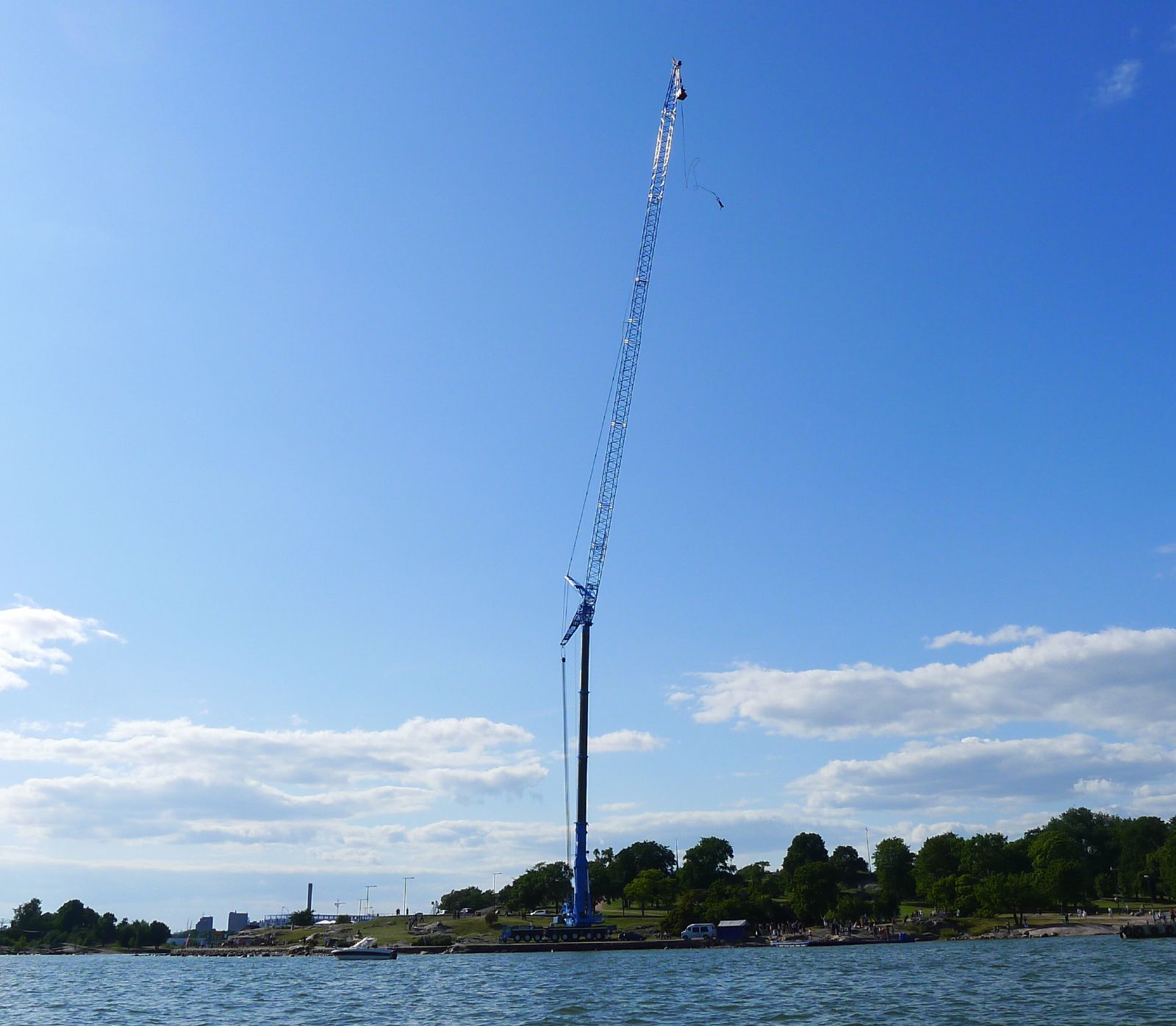
Soft body, clear head
On the catch, aim for athletic softness rather than panic stiffness. Uncontrolled flailing is unhelpful; so is a board-straight brace that makes every oscillation feel like a car over speed bumps. Follow any posture cues from staff - chin position, hand placement, leg behavior - because those cues are tuned to their harness system.[2][4]
Breath out when you rise. A held breath turns the bounce into a pressure event in your chest. Eyes can track the horizon on the way up so the sky-ground swap feels orienting rather than nauseating.
Make friends with the second and third bounce
The first rebound gets the headlines; the smaller ones are where joy often lives. That is when many jumpers start laughing, waving, or simply noticing the landscape they freefell through too fast to see. Let the amplitude shrink without demanding the ride end instantly. Recovery teams and winches work on their timeline; your job is to stay calm cargo with good manners.[2]
If inversion bothers you, ask before jumping how your site manages orientation and recovery. Different products and harnesses create different bounce personalities - knowing yours reduces surprise.[1]
After you stop bouncing
Adrenaline still has a half-life in your bloodstream. Shaky legs, chatter, and emotional spikes are normal; enjoy them without immediately judging the whole experience in one breathless sentence.[3] The bounce is not an error in the freefall product. It is the signature of elastic adventure - the part that says you are still in a living system, not a one-way drop.
Fight less, notice more. When you stop treating the rebound as something to survive and start treating it as something to ride, the jump doubles in length and triples in delight - same cord, better story.[2][4]
Sources
- Wikipedia - bungee jumping physics overview (2025)
- AJ Hackett Kawarau - the classic freefall-and-rebound experience (2026)
- Medical News Today - adrenaline timeline after thrills (2021)
- XINSURANCE - understanding residual forces and risk context (2023)
Image credits
- Photo: Ellanor / Wikimedia Commons (Public domain)
- Photo: Timo Newton-Syms from Helsinki, Finland and Chalfont St Giles, Bucks, UK / Wikimedia Commons (CC BY-SA 2.0)