You stick the jump. You smile for the camera. Then you try to stand on solid ground and your legs announce they have resigned. Shaky knees after bungee are so common they are practically a souvenir. The wobble is not proof you did it wrong; it is proof your nervous system believed you.[1]
Adrenaline and the fight-or-flight cascade prime muscles for explosive action - run, climb, survive.[1][3] On a bungee platform you do not run. You stand, breathe, and step into freefall while stress hormones flood. Heart rate rises; blood redistributes; attention narrows. After the threat resolves (cord held, retrieval done), hormones do not vanish on a Hollywood cut. They taper. Muscles that were braced for doom may tremor as motor control returns to baseline.
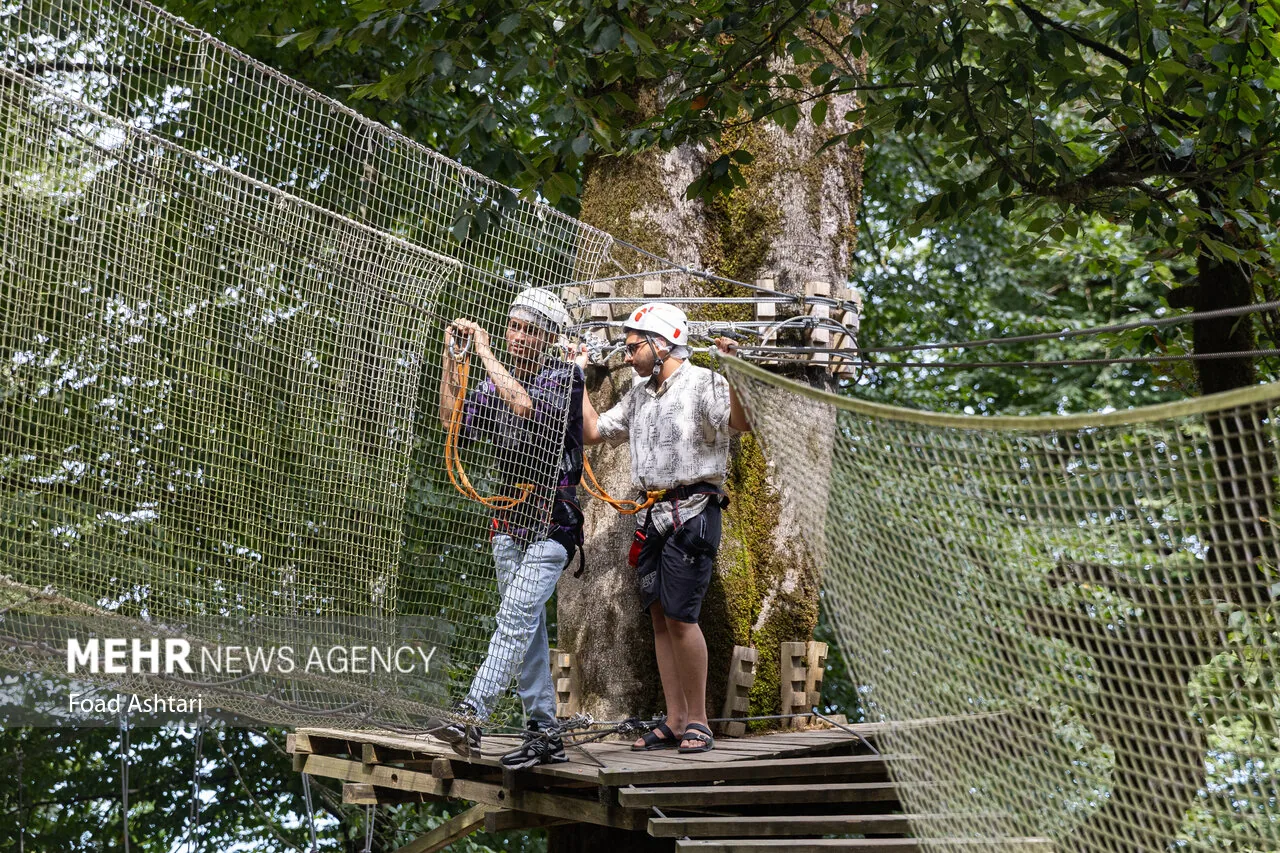
Isometric tension and bracing play a mechanical role. Many jumpers clench legs, core, and hands for the entire countdown and freefall. Sustained contraction plus sudden load from the harness creates fatigue. Ankle attachments can leave calves and hips feeling used. When you finally unweight from the system, fatigued muscles show micro-instability - subjectively, “jelly legs.”
Vestibular hangover adds confusion. Your balance system just experienced freefall, stretch, and bounce. Standing still on a dock or platform can feel oddly moving. The mismatch between inner ear and stable ground contributes to unsteadiness even without true injury.
Emotional discharge matters too. Laughter, crying, manic speech, or quiet staring are normal completions of a huge arousal spike. Humans socialize stress; that is why groups of jumpers sound like a reunion of people who survived the same short movie. Bungee’s commercial culture expects these reactions; staff see them daily.[2]
What helps: sit if you need; sip water; eat a light snack when ready; walk slowly; avoid immediately driving if you feel foggy or tremulous; give yourself twenty to forty minutes before demanding precise coordination. Stretch gently if staff suggest; do not force deep stretches on a body still buzzing. Celebrate without bingeing alcohol as your first recovery plan - dehydration and adrenaline make a poor cocktail.
When shaking is not normal: one-sided weakness, severe pain, chest pressure, fainting, vision loss, or neurological symptoms deserve medical attention. Distinguish “I feel wiggly and euphoric” from “something is medically wrong.” Harness bruises and mild soreness can appear later; sharp spinal pain is a stop sign.
Some jumpers shake more on jump two than jump one because anticipation builds with knowledge. Others shake less as novelty fades. Neither pattern ranks courage. The legs are reporting physiology, not character.
So when your knees chatter on the riverbank under a famous bridge, smile if you can. The tremor is the body closing the file on a controlled emergency. You borrowed fight-or-flight for art. Now it is returning you to ordinary gravity - one wobbly step at a time.
Nutrition and sleep the night before influence post-jump tremor more than superstitious rituals. Low blood sugar plus huge adrenaline is a classic recipe for shakes. Eat something balanced earlier in the day; do not confuse “I want to feel light on the platform” with “I will jump fasted and caffeinated to the gills.” Moderate caffeine is a personal call; excess anxiety chemistry usually is not your friend.
Social media poses right after retrieval - jumping, dancing, chugging - can ignore what your motor system is asking for. It is fine to look proud and still sit down. The bravest photo might be the honest one where your knees are clearly negotiating reentry to civilian life. Friends who love you will not need a parkour display as proof.
Compare post-bungee shakes to post-performance shakes in public speaking, music recitals, or competitive sports. The body prepared for threat or high demand; the event ended; the energy remains. Normalizing that pattern helps first-timers stop scanning for injury when the only finding is physiology. Of course, pair normalization with the red-flag list: severe or asymmetric symptoms get checked.
Some people experience delayed emotional waves that evening - sudden tears in the shower, vivid dreams, a replay loop of the edge. That is common after intense arousal. Light journaling, talking with a trusted person, or simply sleeping often integrates it. If anxiety stays elevated for days in a way that impairs life, talk to a professional; adventure is not a substitute for mental health care, and freefall can occasionally surface more than it settles.
On the lighter side, shaky legs are a badge recognized across languages on platforms worldwide. Staff will grin knowingly. You will grin back when the trembling fades and the story remains. The wobble means the jump counted. Then your legs remember how to be legs, and you remember how to book the next one - or how to happily stay on bridges as a spectator forever. Both are valid endings to the shake.
Sources
- Wikipedia - Fight-or-flight response (2024)
- Wikipedia - Bungee jumping (2024)
- Wikipedia - Adrenaline (2024)
Image credits
- Photo: Lorem Picsum / Unsplash photographers / picsum.photos (Unsplash License)
- Photo: Fouad Ashtari / Wikimedia Commons (CC BY 4.0)