“First thing I’m doing when I’m home” is a powerful sentence after deployment, training, or a long stretch away. For some service members, that sentence includes a bungee jump - a clean, chosen intensity that belongs to civilian joy rather than duty. The jump can be a great leave story when timing respects sleep, family reconnection, and honest readiness.[1][3]
Travel days lie about energy. Jet lag, red-eye flights, and emotional reunions all tax the system you need for a clear briefing and a solid push off the platform.[4] Consider day three of leave rather than hour three after landing. The fantasy can wait forty-eight hours and still feel like the first real adventure of being home.
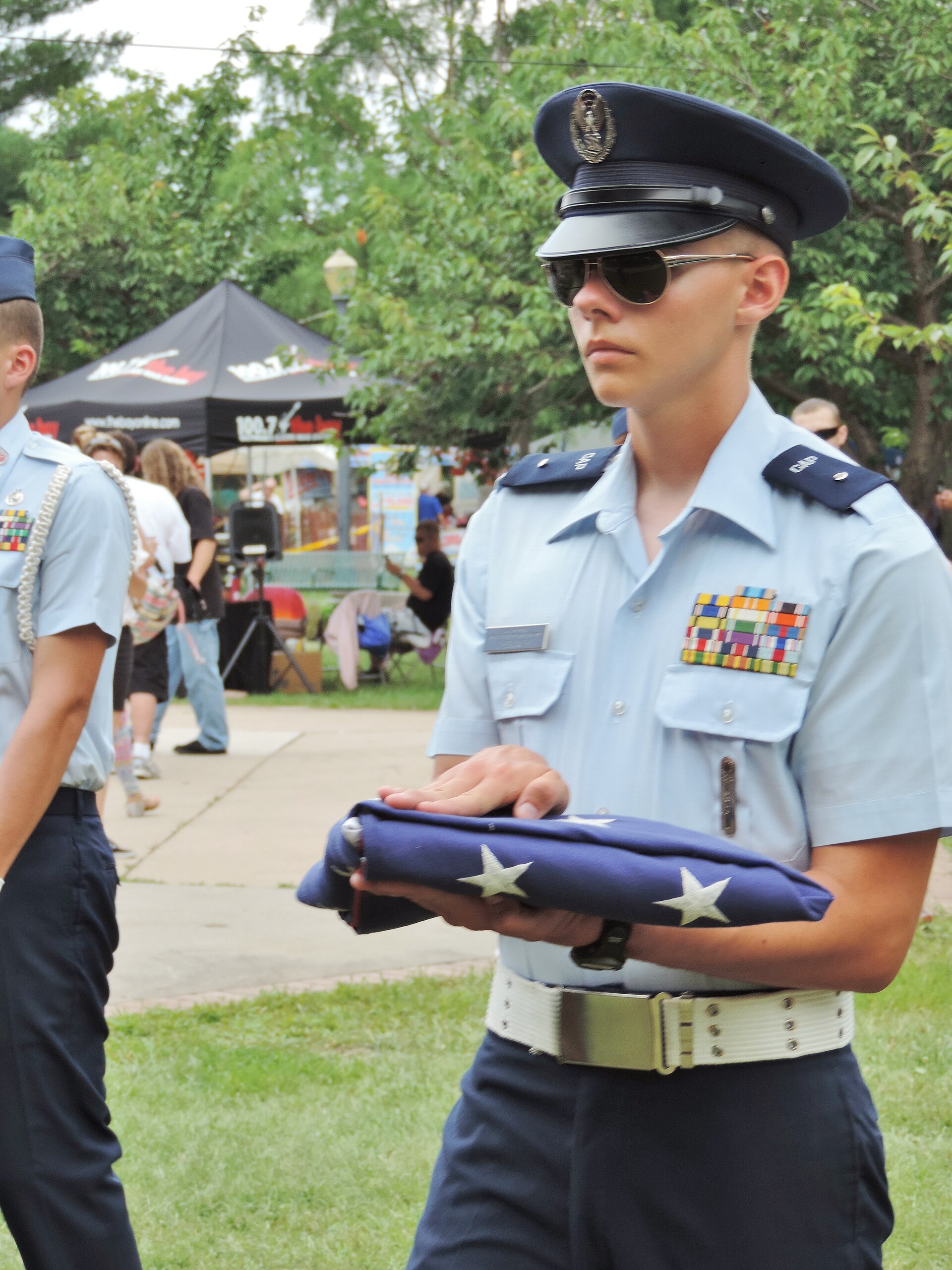
Include the people who waited
Homecoming is not only your nervous system; it is partners, kids, and parents who carried a different weight. Invite them as spectators if they want, or schedule the jump after a full family day so nobody experiences freefall as abandonment. A shared meal after the rebound often matters more than same-day stacking of thrills.
Readiness beyond toughness
Military culture can prize grit. Commercial bungee still requires listening, medical honesty, and the right to stop.[1][4] If concentration feels shot, if startle responses are high, or if a mental-health professional has advised caution around extreme arousal states, take that seriously. Support resources exist for a reason; using them is operational wisdom, not weakness.[2]
Logistics that reduce friction
Prebook with flexible dates when leave can shift. Keep documents handy. Choose operators with clear communication so you are not solving tourist puzzles on limited leave days.[1] If friends from the unit join, set a consent culture: no humiliation dares, no alcohol before harnesses, no filming anyone who does not want a public story.
What the jump can mean
It can mean freedom, celebration, or simply fun without a mission brief. Let it mean what you need - and let it remain optional if the better “first thing” turns out to be a long sleep beside people you love. Leave is finite. Spend it on choices that still feel good in the debrief.
A homecoming jump at its best looks ordinary in the best way: a rested person, a trusted crew, a family dinner, and a story that belongs to return rather than to escape.[3]
Family communication templates
Try: “I want to jump on day three so day one can be only us.” Or: “I’d love you there as spectators if it feels good; no pressure if heights are not your thing.” Clear plans reduce the leftover tension of competing fantasies about how leave should look.[3]
If children are part of homecoming, protect their need for ordinary parent time. A jump can still happen; it just should not consume the only free Saturday of a short leave without a compensating slow day. Kids remember pancakes and presence as much as hero stories.
Unit friends may want a group leap. That can be excellent camaraderie when everyone is medically ready and consent is real. It can be fraught when rank, peer pressure, or alcohol culture sneaks into civilian adventure space. Set ground rules early.[4]
Watch for the comedown after the high. Leave days are finite, and a crash of mood after a big stunt is common. Schedule something gentle the next morning. If heavier symptoms appear - persistent insomnia, numbness, anger that scares you - use available mental-health channels rather than self-medicating with more intensity.[2]
The best “first thing I’m doing when I’m home” list often has two columns: necessary softness and optional adrenaline. Put freefall in column two unless your body and family truly place it in column one.[1]
Practical booking tips on limited leave
Choose operators with clear online booking and easy reschedule paths in case leave dates flex. Keep digital copies of IDs and any needed medical documentation. If you are traveling to a classic adventure town, book lodging near the pickup point so commute time does not eat the day.
Tell the crew you are on leave only if it helps logistics - not to request special rule-breaking. Professional operators treat everyone to the same standard, and that equality is part of what makes commercial freefall feel clean after hierarchical environments.
Consider a low-key civilian outfit for the day so the jump remains your private celebration rather than a uniformed spectacle unless you specifically want service recognition. Either choice is valid when it is yours.
If the jump is a promise you made to yourself overseas, keep the promise in spirit even if the form changes: a hard hike, a cold ocean swim, or a long motorcycle loop can carry the same “I am home and I choose this” energy when freefall logistics fail. The point is chosen aliveness, not a single product SKU.
Sources
- AJ Hackett Bungy NZ - planning jump days and FAQs (2026)
- U.S. Department of Veterans Affairs - mental health resources (2026)
- American Psychological Association - stress and coping (2024)
- XINSURANCE - adventure risk awareness (2023)
Image credits
- Photo: U.S. Navy photo by Mass Communication Specialist 2nd Class Regina L. Brown / Wikimedia Commons (Public domain)
- Photo: David Robert Crews / Wikimedia Commons (CC BY-SA 2.0)