Adventure travel loves a contrast package: sunrise over a valley in a wicker basket, then - maybe the same week - a leap from a bridge with a cord on your ankles. Hot-air ballooning and bungee jumping both put air under your feet. Only one asks you to step into it on purpose. Understanding that difference keeps both experiences delightful instead of mismatched.[1][2]
A balloon flight is a soft adventure. Lift is gradual, the basket is shared, conversation is possible, and the drama is landscape and silence more than impact. A bungee jump is a hard-edge product: short freefall, elastic deceleration, rebound, recovery. One stretches time. The other compresses it into a shout and a story.[1][2]
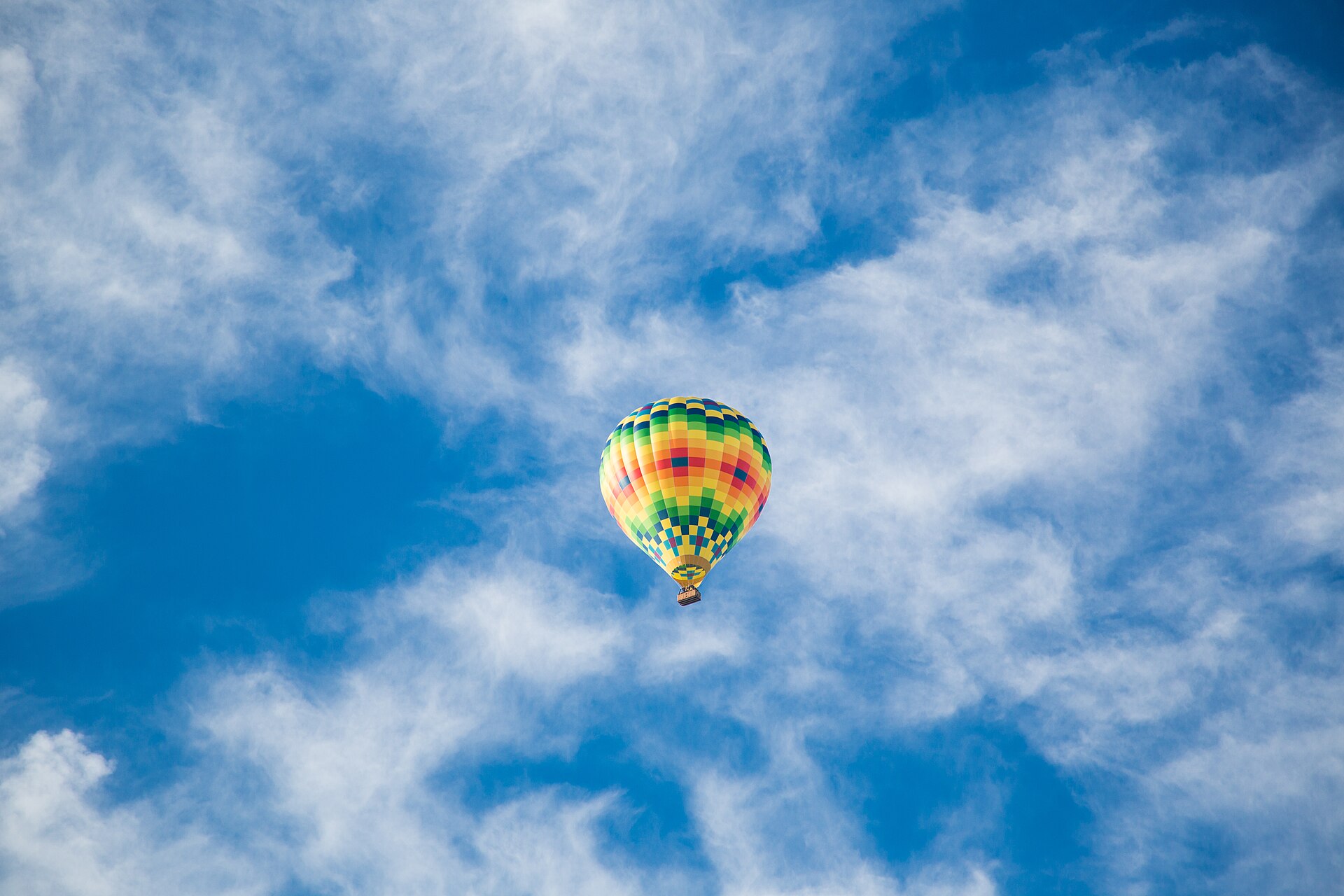
Sensation and pacing
Balloon mornings often start before dawn with a weather call. Passengers watch inflation, climb in, and rise with almost no sense of speed until the ground peels away. Many describe calm, not panic - even people who dislike roller coasters. Bungee mornings can feel ordinary until the harness clicks; then the body invents urgency. The peak of intensity is measured in seconds, not hours.[1][3]
If you want awe without a countdown, the balloon wins. If you want a personal courage test with a clear before-and-after, bungee wins. Couples and multi-generational trips often use balloons as the shared activity and bungee as the optional solo chapter - a smart social design.[2]
Risk culture and professional standards
Both activities depend on weather discipline and trained crews. Balloon pilots cancel for wind, storms, and visibility more often than marketing brochures admit - and that cancel culture is a feature, not a failure. Bungee operators cancel or delay for wind, gear issues, and medical red flags with the same logic: the product only works when conditions and people are right.[3][4]
Neither sport is “safe because it feels gentle” or “dangerous because it looks extreme.” Residual risk exists in both. Shop for licensed operators, clear briefings, and staff who would rather scrub a day than force a hero story.[4]
Cost, logistics, and memory
Balloon flights are often longer experiences with hotel pickup, post-flight toasts, and photo packages. Bungee is denser: check-in, brief, jump, media, done - though iconic sites can still fill a half day with queues and recovery. Budget-wise, both can sit in the “special occasion” tier; neither is a casual coffee-money impulse if you want reputable providers.[1][2]
Memory differs too. Balloon memories are panoramic and social. Bungee memories are somatic - the step, the air, the rebound, the laugh you did not plan. Scrapbooks love both. Your nervous system will file them in different drawers.
How to choose - or sequence - them
Choose the balloon if heights bother you mainly when there is nothing under your feet and no rail, but slow elevation feels fine. Choose bungee if you specifically want to practice commitment and trust in a harness system. Sequence balloon before bungee if you want beauty first and edge second; reverse that if you want the hard thing done so you can float in relief afterward.[2]
Soft adventure and hard edge are not rivals. They are complementary languages of height. Speak both fluently and a single trip can hold morning silence and afternoon freefall without contradiction - as long as you respect weather, medical honesty, and the crews who make either miracle look routine.[1][4]
Sources
- Balloon Federation of America - About ballooning (2026)
- AJ Hackett Bungy New Zealand - guest experience (2026)
- FAA - Hot air balloon safety information (2025)
- XINSURANCE - Bungee risks and mitigation (2023)
Image credits
- Photo: Arne Groh / Wikimedia Commons (CC BY-SA 3.0)
- Photo: Kupono Kuwamura kuponokuwamura / Wikimedia Commons (CC0)