Some people build courage by going down. Others build it by stepping off. A first scuba experience - often a supervised Discover Scuba or resort dive - and a first bungee jump are two of travel’s most common “I can’t believe I did that” milestones. They share trust, briefing culture, and a post-activity glow. They diverge almost everywhere else.[1][2]
Environment: pressure vs freefall
Scuba replaces air with a regulator, sight with a mask, and silence with bubbles. The courage test is continuous: equalize, breathe, stay with your guide, manage buoyancy. Bungee replaces solid ground with corded freefall. The courage test is acute: step, fall, rebound, recover. One is a new habitat. The other is a new decision.[1][2]
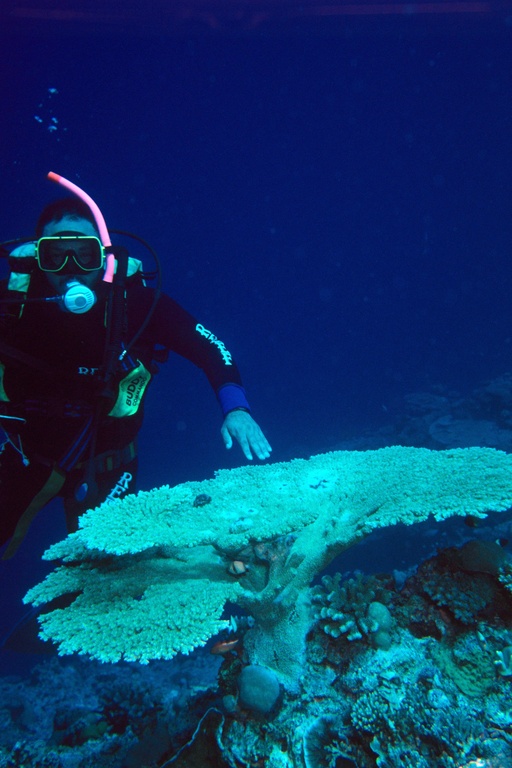
Training load and time
Even an introductory dive includes pool or shallow practice, gear orientation, and hand signals. Full certification is a multi-day education. Bungee briefings are serious but short; you are not learning a lifelong skill system so much as participating in a professional process for one leap.[1][3] If you want a hobby with progression charts, scuba wins. If you want a single transformational punctuation mark, bungee wins.
Fear profiles
Claustrophobia, mask anxiety, and ear equalization trouble show up in diving. Edge fear, commitment freeze, and rebound surprise show up in bungee. People who panic when they cannot “just stand up and leave” may find water harder; people who panic at heights may find platforms harder. Neither reaction is a character flaw - it is data for choosing and pacing.[4][3]
Body, health, and honesty
Diving has well-known medical considerations around lungs, ears, sinuses, and fitness to dive. Bungee has considerations around joints, spine, pregnancy, and conditions that interact badly with rebound forces. In both worlds, honest screening protects you more than bravado.[3][2]
How to use each as a courage curriculum
Use scuba when you want calm competence under a new set of rules - a patience sport dressed as adventure. Use bungee when you want to practice acting at the edge of a simple, loud yes. Some travelers do a first dive in the tropics and a first bungee in a mountain town the same year; the dual diploma is less about collecting extremes and more about learning two dialects of trust.[1][2]
Down or off: both directions can make you larger. Pick the classroom that matches the fear you are ready to study, hire professionals who treat safety as craft, and let the afterglow be curiosity - not a mandate to escalate forever.[4]
Sources
- PADI - Discover Scuba Diving overview (2026)
- AJ Hackett Bungy New Zealand - first-timer bungy (2026)
- Divers Alert Network - beginner diving safety culture (2026)
- Medical News Today - thrill-seeking and arousal (2021)
Image credits
- Photo: Derek Keats from Johannesburg, South Africa / Wikimedia Commons (CC BY 2.0)
- Photo: Derek Keats from Johannesburg, South Africa / Wikimedia Commons (CC BY 2.0)