Skip to content

Travel Insurance Fine Print for Bungee Jumping and Adventure Sports

Insurance

Travel insurance marketing loves waterfalls and zip lines. Policy wording loves exclusions. If bungee jumping is on your itinerary, the fine print is not optional reading - it is part of the packing list.[1][2]

The exclusion pattern you will see again and again

Mainstream travel policies often exclude “hazardous,” “extreme,” or “adventure” sports by default. Bungee appears on those lists with skydiving, mountaineering above certain altitudes, and similar activities.[2][3] That does not mean coverage is impossible. It means you must actively select a plan or rider that puts bungee back inside the fence.

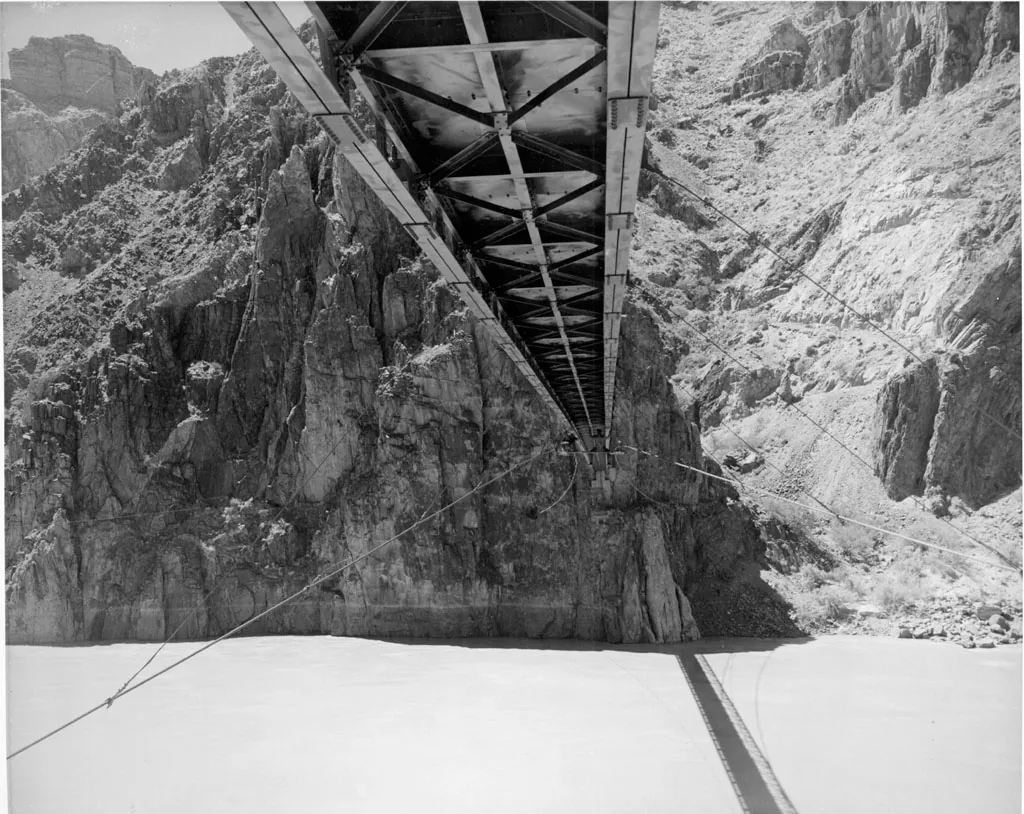
02243 Grand Canyon Historic Kaibab Trail Suspension Bridge
Photo: Grand Canyon National Park / Wikimedia Commons (CC BY 2.0)

Some brands route thrill travelers to specialized adventure products precisely because standard templates fail these trips.[1]

Words that decide claims

Read definitions, not only brochures. Key phrases include:

  • Organized / commercial activity: may require a licensed operator
  • Hazardous sports endorsement: an add-on that reinstates coverage
  • Pre-existing conditions: separate rules that still apply if you are injured
  • Alcohol and drugs: common claim killers if impairment is alleged
  • Search and rescue / evacuation: benefits that matter in remote gorges
  • Activity schedules: lists of what is covered at which premium tier[3]

If the certificate of insurance and the full policy wording disagree in your head, email the insurer before you travel and keep the reply.

Medical versus trip cancellation versus “everything”

Adventure travelers sometimes buy trip cancellation for flights and hotels, then discover medical coverage for the jump itself is thin or excluded.[4] Split the problem into layers: Can this policy pay hospital bills if I am hurt mid-trip? Can it evacuate me? Does it cancel and interrupt for covered reasons if weather or injury changes plans? You may need a comprehensive plan plus an extreme sports add-on rather than a cheap single-benefit product.[1][3]

Operator type matters

Policies that cover bungee with a professional commercial operator may still exclude improvised jumps, illegal rooftop setups, or competitions. Book established sites and keep receipts that show the commercial nature of the activity. Your claim file should look boring and well documented.

Timing and honesty

Buy insurance when you book the trip if you want cancel-for-any-reason options or pre-existing condition waivers that depend on early purchase windows - rules vary by product. Disclose material facts. A claim after a jump is a bad moment to discover that the activity was never covered because you assumed “travel insurance means everything.”[2]

A 15-minute fine-print ritual

Search the PDF for “bungee,” “bungy,” “extreme,” “hazardous,” and “adventure.” Read those sections aloud. Check medical maximums against worst-case hospital costs in your destination. Save emergency assistance numbers in your phone and on paper. Share policy details with a non-traveling contact.

Then go enjoy the trip. The point of fine print is not to frighten you off the platform. It is to make sure the story of your jump remains a story about courage - not an unpaid invoice from a foreign emergency room.[1][4]

Destination matters for claim logistics. Some countries have excellent emergency care that is expensive for uninsured foreigners; others have limited trauma capacity near remote gorges. Evacuation benefits are not paranoia in that second category - they are itinerary design. Compare per-day medical maximums and whether sports claims share the same ceiling as ordinary illness.[1][3]

Watch for “acts of recklessness” clauses broad enough to argue with any adrenaline sport after the fact. Prefer policies that explicitly list bungee or commercial adventure sports as covered when the endorsement is purchased. Ambiguity is not your friend in a claims office.

If you combine multiple adventure sports on one trip - bungee, scuba, trekking above a threshold - verify each activity. A policy that covers bungee might still exclude another sport you planned for day five.[2] Build the activity list first, then shop insurance, not the reverse.

Keep evidence tidy: operator receipts, medical reports, itemized bills, and a timeline of events. Photograph your policy ID page. Tell your emergency contact where the documents live. Fine print is only useful if someone can find it while you are busy being treated. Do that unglamorous work once, then enjoy the trip knowing the boring backbone is in place.[4]

One more subtlety: trip interruption benefits may help if a covered injury ends the vacation after the jump, while cancel-for-any-reason products (when available) are different tools with different cost structures. Match product type to the risk you actually worry about - medical bills, lost prepaid days, or both - rather than buying the prettiest bundle on a comparison site.


Sources

  1. InsureMyTrip - adventure sports travel insurance overview (2026)
  2. InsureMyTrip - coverage for thrill-seeking vacations (2023)
  3. UnitedHealthcare SafeTrip - extreme sports add-on including bungee (2025)
  4. American Visitor Insurance - bungee adventure sports insurance notes (2025)

Image credits